

📊 Full opportunity report: Glasspane: One Dataset, Three Views on ThorstenMeyerAI.com — validation score, market gap, and execution plan.
TL;DR
Glasspane has unveiled a prototype demonstrating how a single dataset can be presented through three tailored views for different roles. This approach aims to improve transparency and trust in system monitoring, emphasizing open-source, self-hosted solutions.
Glasspane has introduced a prototype that presents a single dataset through three distinct, role-specific views, aiming to enhance transparency and trust in system monitoring. The project emphasizes open-source, self-hostable deployment and is designed to demonstrate the concept rather than a production-ready system. This development is significant for organizations seeking verifiable, external trust in their infrastructure health.
Glasspane’s core innovation is the ability to reframe a single underlying dataset into three different perspectives tailored to specific roles: executives, business managers, and engineers. Each view filters and highlights relevant information without overwhelming or under-informing the user, ensuring each stakeholder sees only what they need to trust the system.
The tool is built with transparency at its foundation. It openly displays its own limitations and failures, reinforcing credibility. The open-source project is licensed under AGPL-3.0 and can be self-hosted, including options for local models to keep sensitive data within a network. Currently, the project is a demo using mock data, illustrating the concept rather than reporting on a live system.
According to Thorsten Meyer, the lead developer, the approach shifts the focus from mere uptime to demonstrable trust, which can be handed to external auditors or clients without relying solely on internal assurances. The design emphasizes that trust layers—data, models, and views—must all be credible for the system to be trustworthy.
Glasspane — one dataset, three views
Most tools answer “is it up?” Glasspane answers a harder one: how do you prove it’s fine to someone who isn’t you? Transparency itself, made the product.
Independent commentary, produced with AI assistance under human editorial oversight. The views are the author’s own and may change. Glasspane is open source under AGPL-3.0, provided “as is” without warranty; see the repository LICENSE. It is a demo / MVP — the views and figures shown run on illustrative, mock data and do not represent a live production deployment. AI interpretation of telemetry may contain errors and should be independently verified. Product and company names are trademarks of their respective owners; mention does not imply endorsement.
Implications of Role-Specific, Transparent Data Views
This development signals a shift toward transparency as a product feature, not just an internal tool. By enabling external stakeholders to verify system health through role-appropriate, real-time views, organizations can reduce reliance on trust and increase accountability. It could change how companies approach client reporting, compliance, and internal monitoring, especially as AI interpretation becomes more prevalent in infrastructure management.
open source infrastructure monitoring dashboard
As an affiliate, we earn on qualifying purchases.
As an affiliate, we earn on qualifying purchases.
Positioning Within the Open / Reg Transparency Movement
Glasspane’s approach aligns with a broader movement toward open-source, verifiable transparency tools in infrastructure monitoring. Its emphasis on self-hosting and source code accessibility contrasts with proprietary, hosted solutions, emphasizing user control and trustworthiness. The project is a response to the need for external verification, especially as AI-driven interpretation of data increases the importance of model transparency.
While the concept is promising, it remains at the prototype stage, with real-world deployment and scalability yet to be demonstrated. Historically, similar initiatives have faced challenges in adoption, especially when transitioning from concept to production use.
“Transparency is the product, not just a feature. Showing the same data through role-specific lenses enhances trust and accountability.”
— Thorsten Meyer, lead developer
self-hosted data visualization tools
As an affiliate, we earn on qualifying purchases.
As an affiliate, we earn on qualifying purchases.
Unverified Aspects and Challenges for Real-World Adoption
It is not yet clear how well the prototype will perform in live environments or scale for enterprise use. The project is currently a demo with mock data, and its effectiveness, robustness, and user adoption in production remain unproven. The reliance on AI model transparency introduces additional complexity, as trusting the model itself is an ongoing challenge. Furthermore, whether organizations will pay for demonstrable trust as a distinct feature, separate from existing monitoring tools, is still uncertain.

Data Analytics Professional Certificate Exam Study Guide Flashcards
- Exam Preparation Flashcards: 300+ updated flashcards for exam success
- Aligned with Latest Blueprint: Content matches current exam requirements
- Comprehensive Core Topics: Covers all essential exam subjects
As an affiliate, we earn on qualifying purchases.
As an affiliate, we earn on qualifying purchases.
Next Steps Toward Production-Ready, Scalable Solutions
The project team plans to transition from the current demo to a production-ready version, likely involving real data and broader testing. Further development will focus on scalability, integration with existing monitoring systems, and refining user roles. Engagement with early adopters and feedback will shape future iterations, with potential open-source community contributions playing a key role in its evolution.
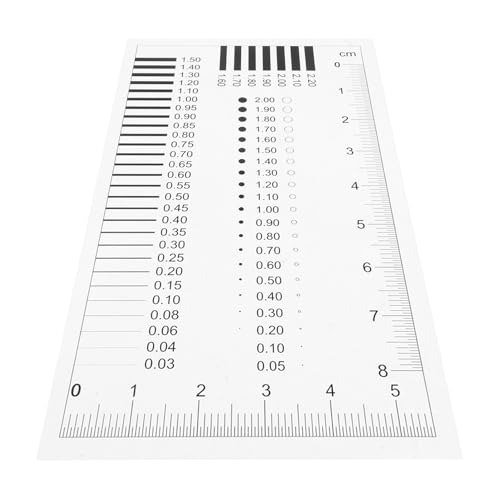
DEARMAMY High Precision SEC Size Estimation Chart Transparency Flaw Detection Film Ruler for Diameter Line Width Defects Measuring
- Durable Material: Sturdy and long-lasting construction
- Easy-to-Read Markings: Clear visibility for quick measurements
- High Precision: Accurate size measurements for detailed tasks
As an affiliate, we earn on qualifying purchases.
As an affiliate, we earn on qualifying purchases.
Key Questions
How does Glasspane differ from traditional monitoring tools?
Unlike traditional tools that focus on system uptime or status reports, Glasspane emphasizes external, role-specific transparency by presenting the same data in tailored views, fostering trust through verifiability.
Is Glasspane ready for production use?
No, currently it is a prototype / MVP using mock data. Its deployment in real environments will require further development and testing.
Can I self-host Glasspane?
Yes, it is open-source under AGPL-3.0 and designed to be self-hosted, including options for local models to keep data within your network.
What are the main challenges facing this approach?
Key challenges include scaling the prototype for enterprise use, ensuring AI model transparency and trustworthiness, and convincing organizations to adopt transparency as a product feature rather than a standard monitoring capability.
Source: ThorstenMeyerAI.com