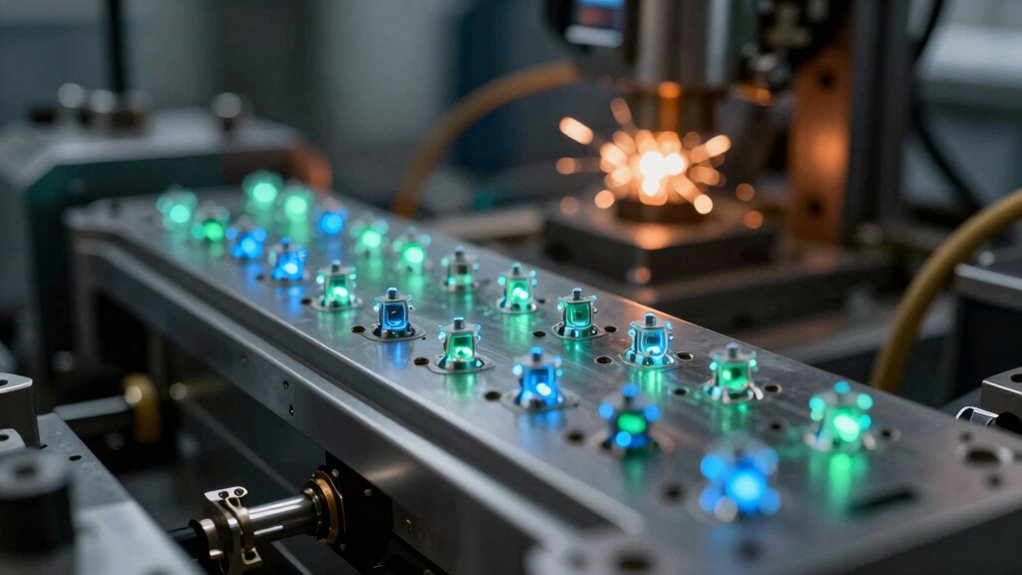

Nano sensors make industrial safety smarter by providing real-time, highly sensitive monitoring of hazards like gases, chemicals, and temperature changes at a microscopic level. They seamlessly integrate into your environment using flexible substrates and wireless modules, offering continuous oversight even in hard-to-reach spots. With nanomaterials like graphene, these sensors are durable, precise, and resistant to harsh conditions. If you want to discover how these innovations are revolutionizing safety systems, keep exploring the possibilities.
Key Takeaways
- Nano sensors enable real-time, highly sensitive detection of hazardous environmental changes at microscopic levels.
- Integration with wireless systems allows instant alerts and seamless communication in industrial safety networks.
- Advanced nanomaterials improve sensor durability and reliability in harsh industrial environments.
- Data from nano sensors can be analyzed using machine learning to predict and prevent potential safety failures.
- Smart safety ecosystems combine continuous monitoring and predictive analytics for proactive hazard management.
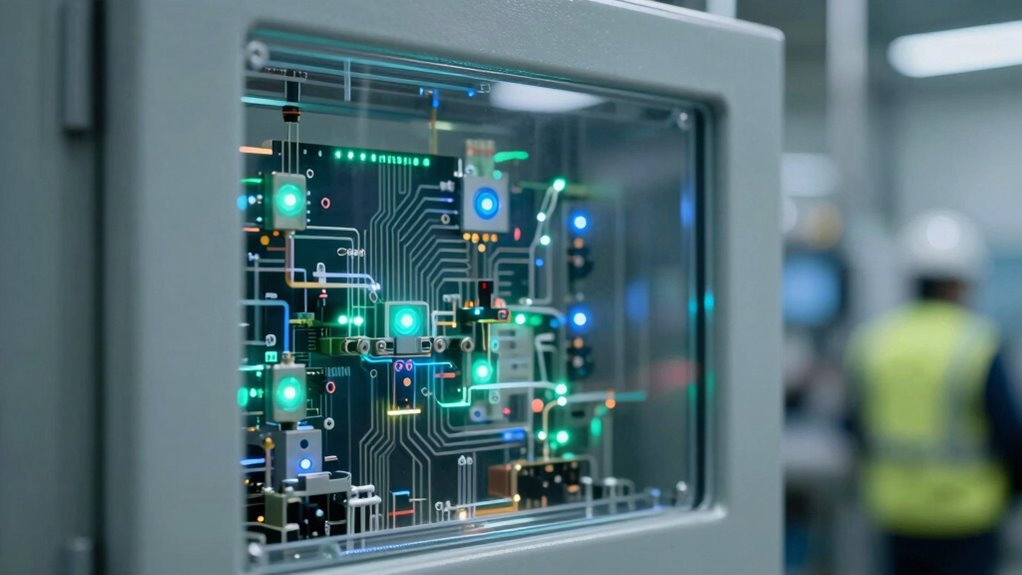
Nano sensors are transforming industrial safety by providing real-time monitoring of hazardous conditions at a microscopic level. As you look into how these tiny devices operate, you’ll see that nanomaterial innovations play a pivotal role. Advances in nanomaterials have led to the development of highly sensitive and durable sensor components, capable of detecting even the slightest changes in environmental factors like temperature, gas concentrations, or chemical leaks. These innovations allow nano sensors to be integrated into various industrial settings seamlessly, without adding bulk or hindering operations. Their small size and enhanced sensitivity mean you can deploy them in hard-to-reach areas or embed them directly into machinery, offering continuous oversight where traditional sensors might fall short.
Nano sensors enable real-time, microscopic monitoring of hazardous conditions with highly sensitive, durable nanomaterials integrated seamlessly into industrial environments.
Sensor integration techniques are the backbone of making nano sensors effective in real-world applications. You’ll find that the methods used to embed these sensors into existing infrastructure are becoming increasingly sophisticated. Techniques like flexible substrate integration or wireless communication modules allow nano sensors to be seamlessly connected with centralized monitoring systems. This integration is essential because it transforms these microscopic devices into practical tools for safety management. Instead of monitoring manually or relying on outdated systems, you get instant alerts when hazardous conditions arise, giving you the opportunity to respond swiftly before accidents happen. Additionally, innovative sensor deployment methods are making it easier to cover extensive and complex industrial landscapes efficiently.
The combination of nanomaterial innovations and advanced sensor integration techniques means you can achieve greater reliability and precision. For instance, nanostructured materials like graphene or carbon nanotubes increase the sensitivity of sensors to specific chemicals or gases, making early detection possible. Meanwhile, integration techniques such as microfabrication or modular attachment allow these sensors to be deployed across complex industrial environments efficiently. This synergy ensures that safety protocols are proactive rather than reactive, minimizing risks to personnel and equipment. Additionally, ongoing research into nanomaterial durability ensures these sensors can withstand harsh industrial environments, extending their operational lifespan and maintaining accuracy over time. These durability improvements are critical for ensuring consistent performance in demanding industrial settings.
Furthermore, these developments open the door for smarter safety systems that can adapt and learn over time. As you collect data from numerous nano sensors, machine learning algorithms can analyze patterns, predict potential failures, and suggest preventive measures. This creates a safety ecosystem that’s not only reactive but also predictive, enhancing overall operational resilience. With ongoing nanomaterial innovations and refined sensor integration techniques, you’re moving toward a future where industrial safety is smarter, more precise, and more dependable than ever before.

Propane Leak Detector | 20-Year Sensor Life | Nano-Oxide Sensor | Sewer Gas Leak, Natural Gas, Methane, Combustibles |
High-Precision Sensor: The JLY-CP101 gas leak detector is equipped with a high-sensitivity semiconductor sensor, delivering fast response (<5s)…
As an affiliate, we earn on qualifying purchases.
As an affiliate, we earn on qualifying purchases.
Frequently Asked Questions
What Are the Potential Privacy Concerns With Nano Sensor Data?
You should be aware that nano sensor data raises privacy concerns related to data security and unauthorized access. If these sensors collect sensitive information, hackers could potentially breach security systems, leading to data leaks. It’s essential to implement robust encryption and access controls to protect this data. Without proper safeguards, there’s a risk that unauthorized individuals might exploit the information, compromising privacy and safety in industrial environments.
How Do Nano Sensors Compare in Cost to Traditional Safety Tools?
Nano sensors tend to have a higher initial cost compared to traditional safety tools, mainly due to advanced technology and manufacturing processes. However, their cost comparison over time often favors nano sensors because they provide real-time data, early hazard detection, and reduce maintenance expenses. This makes them more economically feasible in the long run, especially for industries prioritizing safety, efficiency, and proactive risk management.
Are Nano Sensors Environmentally Safe After Disposal?
You’ll be glad to know that nano sensors are generally environmentally safe after disposal when proper disposal methods are followed. Studies show that most nano sensors break down into harmless substances within a few months. However, their environmental impact depends on materials used and disposal techniques. To minimize risk, it’s essential to follow recommended disposal methods that prevent nanoparticle release, ensuring safe environmental impact and reducing potential pollution.
What Are the Challenges in Scaling Nano Sensor Production?
You face challenges in scaling nano sensor production due to manufacturing scalability issues and maintaining quality control. As you increase production, ensuring consistent quality becomes difficult because nanoscale components demand precise fabrication techniques. Furthermore, scaling up requires advanced equipment and processes, which can be costly and complex. Overcoming these hurdles involves investing in reliable manufacturing methods and rigorous quality assurance protocols to produce high-quality nano sensors efficiently at larger volumes.
How Quickly Can Nano Sensors Detect Hazardous Conditions?
Did you know nano sensors can detect hazardous conditions in less than a second? Their detection speed is remarkably fast, often within milliseconds, making them highly effective for real-time monitoring. Thanks to their heightened sensitivity levels, they can pick up even trace amounts of dangerous chemicals or gases. This rapid response allows you to address issues immediately, considerably improving workplace safety and preventing potential accidents before they escalate.

Driveway Alarm Wireless Outside, 1 BY ONE Motion Sensor Alarm 1000ft/300m Range Extra Loud Chimes Security Alarm System with 1 Receiver 2 Weatherproof Infrared Sensors Protect Indoor/Outdoor Property
Wireless Motion Sensor Alarm: A Motion detector is essential in a home security system; It can detect movement…
As an affiliate, we earn on qualifying purchases.
As an affiliate, we earn on qualifying purchases.
Conclusion
By embracing nano sensors, you’ll revolutionize industrial safety, making it smarter and more responsive than ever. These tiny marvels can detect hazards before they escalate, much like a futuristic oracle from a sci-fi novel. Imagine a world where accidents are thwarted at the nanoscopic level, preventing disasters before they start. It’s a game-changer—think of it as having your own personal, high-tech guardian angel, but with the precision of a modern-day Da Vinci.
graphene chemical leak sensors
As an affiliate, we earn on qualifying purchases.
As an affiliate, we earn on qualifying purchases.
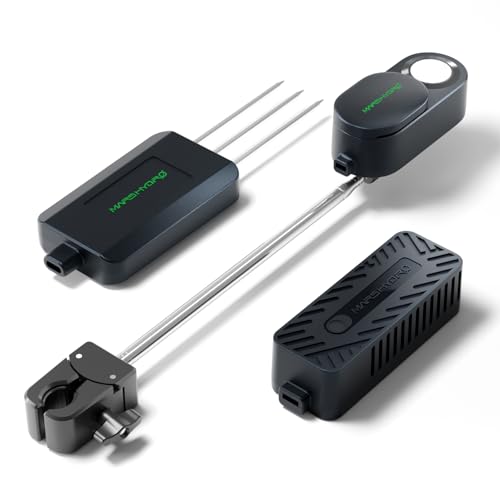
MARS HYDRO Smart Sensor Kit: PPFD, CO₂, and Soil Sensors for iControl & iHub-Pro, Precision Environmental Monitoring and Control for Indoor Growing
To unlock its full potential, the Mars Hydro Smart Sensor Kit must be used in tandem with a…
As an affiliate, we earn on qualifying purchases.
As an affiliate, we earn on qualifying purchases.