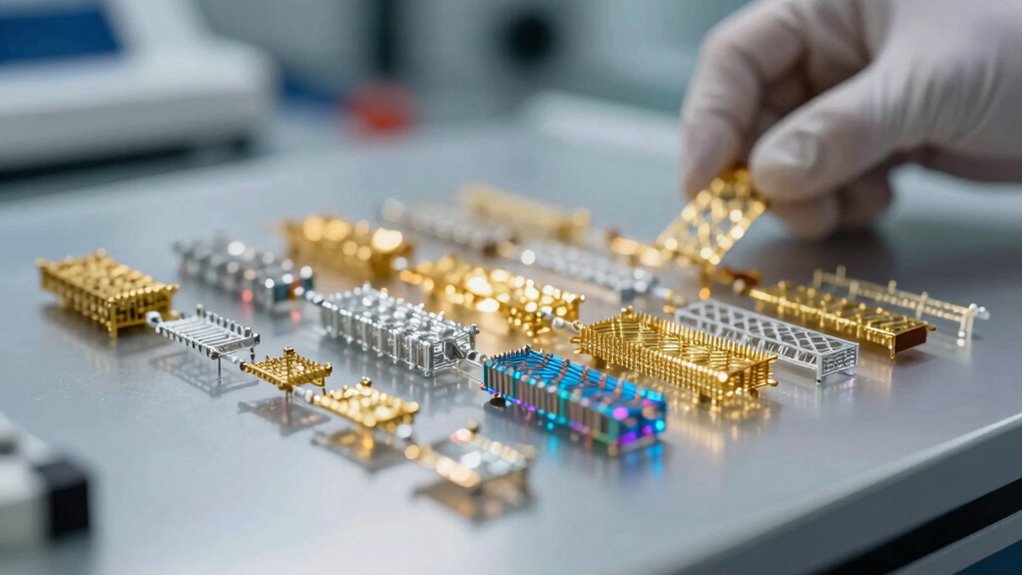

Nanotechnology appears in clean energy research because it allows you to develop more efficient solar panels and catalysts at the nanoscale. It enhances energy absorption, speeds up reactions, and reduces costs by requiring less raw material. These innovations make renewable energy more accessible and affordable. Plus, nanotech helps create durable, scalable solutions perfect for a sustainable future. Keep exploring, and you’ll discover how these tiny advancements are shaping big changes in clean energy.

Get the latest gadgets delivered free — and shop member deals
- Fast, free delivery on millions of items
- Access to Prime Big Deal Days deals on October 6–7
- Prime Video, Amazon Music and more included
Key Takeaways
- Nanotechnology enhances solar panel efficiency through quantum dots that improve light absorption and emission tuning.
- Nanoscale catalysts accelerate energy-producing reactions like water splitting and CO₂ conversion with higher effectiveness.
- Advanced nanomaterials offer improved durability, stability, and scalability for long-term clean energy applications.
- Reduced raw material requirements and increased reactivity lower production costs of renewable energy technologies.
- Integration of nanotech promotes sustainable, efficient energy systems, supporting a transition to cleaner energy sources.
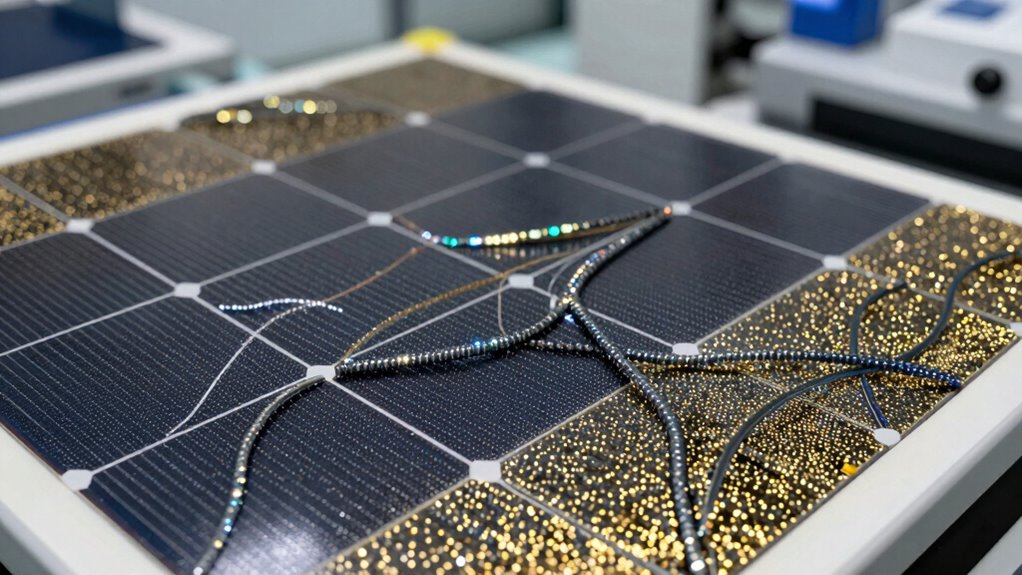
Nanotechnology is transforming the way we pursue clean energy solutions, making them more efficient and affordable. It allows us to manipulate materials at an atomic level, opening up new possibilities for energy production and storage. One of the key innovations driving this change is the use of quantum dots. These tiny semiconductor particles, just a few nanometers in size, have unique optical and electronic properties. When integrated into solar panels, quantum dots can markedly boost their efficiency by absorbing a broader spectrum of sunlight and converting it into electricity more effectively. Their size allows for precise tuning of their light absorption and emission, which means you can customize solar cells to perform better under various conditions. This not only increases energy output but also reduces costs, making solar power more accessible.
Along with quantum dots, nanoscale catalysts are making a big impact in clean energy research. Catalysts speed up chemical reactions without being consumed in the process, and when designed at the nanoscale, they become incredibly efficient. Nanoscale catalysts provide a larger surface area relative to their size, which means more active sites for reactions like splitting water into hydrogen or converting carbon dioxide into useful fuels. This can lead to cleaner, more sustainable ways of producing energy carriers like hydrogen, a promising zero-emission fuel. Because these catalysts operate at lower temperatures and with higher selectivity, they consume less energy and produce fewer unwanted byproducts, further enhancing the sustainability of energy processes. Additionally, advances in *nanomaterial synthesis* are accelerating the development of these catalysts, making them more effective and easier to produce at scale. Incorporating advanced fabrication techniques can also improve the durability and lifespan of nanomaterials used in energy applications. Moreover, ongoing research into nanostructure stability is crucial for ensuring these materials perform reliably over time in real-world conditions. In addition, understanding the material properties at the nanoscale is essential for optimizing these catalysts’ performance and longevity.
The appeal of nanotechnology in clean energy isn’t just about improved performance; it’s also about the potential for cost reductions and scalability. Nanoscale materials often require less raw material to produce, and their enhanced reactivity means you need less energy to drive reactions. This can make renewable energy technologies more economically viable and easier to implement on a large scale. As you explore these advancements, it’s clear that the integration of quantum dots and nanoscale catalysts isn’t just a scientific curiosity—it’s a practical pathway toward a cleaner, more sustainable energy future. You benefit from these innovations by seeing more affordable solar panels, efficient fuel production methods, and smarter energy storage solutions. In the end, nanotechnology’s ability to precisely engineer materials at the smallest scales is transforming the landscape of clean energy, making it more accessible and effective for everyone. Additionally, the development of regional flavor and other innovative applications of nanotechnology is opening new avenues for sustainable energy solutions tailored to specific environments.
As an affiliate, we earn on qualifying purchases.
Frequently Asked Questions
How Does Nanotechnology Improve Solar Panel Efficiency?
Nanotechnology improves solar panel efficiency by incorporating quantum dots and advanced surface coatings. Quantum dots absorb more sunlight and convert it into electricity more effectively, especially across a broader spectrum. Surface coatings, on the other hand, reduce reflection and protect panels from environmental damage. By using these nanotech innovations, you can boost energy output, increase durability, and make solar panels more cost-effective and sustainable over their lifespan.
Are Nanomaterials Safe for Environmental Use?
Nanomaterials can be safe for environmental use if proper safety regulations are followed. You should consider their potential environmental impact, including toxicity and persistence in ecosystems. Researchers and regulators work together to develop safety standards that minimize risks. When used responsibly, nanomaterials can offer clean energy solutions without harming the environment. It’s vital that ongoing monitoring and strict safety protocols guide their application to guarantee long-term safety.
What Are the Cost Implications of Nanotech in Energy?
You might be surprised, but nanotechnology’s cost implications are promising. As research advances, it leads to significant cost reductions in production and efficiency, which accelerates market adoption. Initially, nanotech can be expensive, but over time, economies of scale and innovative methods make it more affordable. This evolving affordability encourages wider use in clean energy, ultimately making sustainable solutions more accessible and helping you save on energy costs.
How Long Do Nanotech-Based Energy Solutions Last?
Nanotech-based energy solutions typically last several years, thanks to their enhanced durability. Nanotech durability improves energy storage by making batteries and supercapacitors more resistant to wear and degradation over time. While actual lifespan varies depending on usage and design, these innovations often outperform traditional counterparts, offering longer-lasting performance. Proper maintenance can extend their longevity, making nanotech energy solutions a reliable choice for sustainable energy storage and conversion.
Can Nanotechnology Be Scaled for Global Energy Needs?
Nanotechnology can be scaled for global energy needs, but it faces significant infrastructure challenges. You need to develop manufacturing processes that are efficient and cost-effective at large scales, which requires substantial investment. While the potential for global scalability exists, overcoming these infrastructural hurdles is essential. If these challenges are addressed, nanotech-based solutions could revolutionize clean energy production worldwide, making sustainable energy more accessible and affordable for everyone.
nanoscale catalysts for water splitting
As an affiliate, we earn on qualifying purchases.
As an affiliate, we earn on qualifying purchases.
Conclusion
So, as you can see, nanotechnology is revolutionizing clean energy faster than you can blink. With its tiny innovations, you’re looking at a future where energy is cleaner, more efficient, and practically limitless. If you want to be part of the movement shaping our planet’s destiny, embracing nanotech now is your best bet. It’s not just a trend—it’s the game-changer that could save the world, one atom at a time.
nanomaterials for renewable energy
As an affiliate, we earn on qualifying purchases.
As an affiliate, we earn on qualifying purchases.
nanotechnology energy storage solutions
As an affiliate, we earn on qualifying purchases.
As an affiliate, we earn on qualifying purchases.
Evergreen bestsellers Picks
bestsellers
As an affiliate, we earn on qualifying purchases.