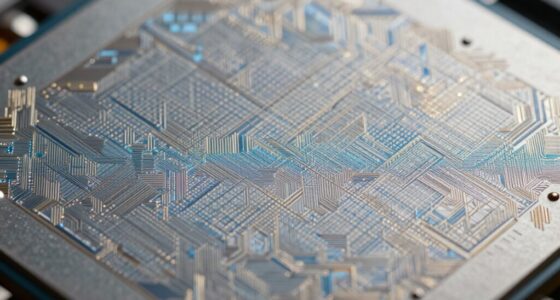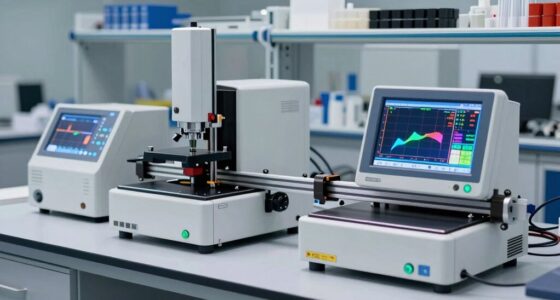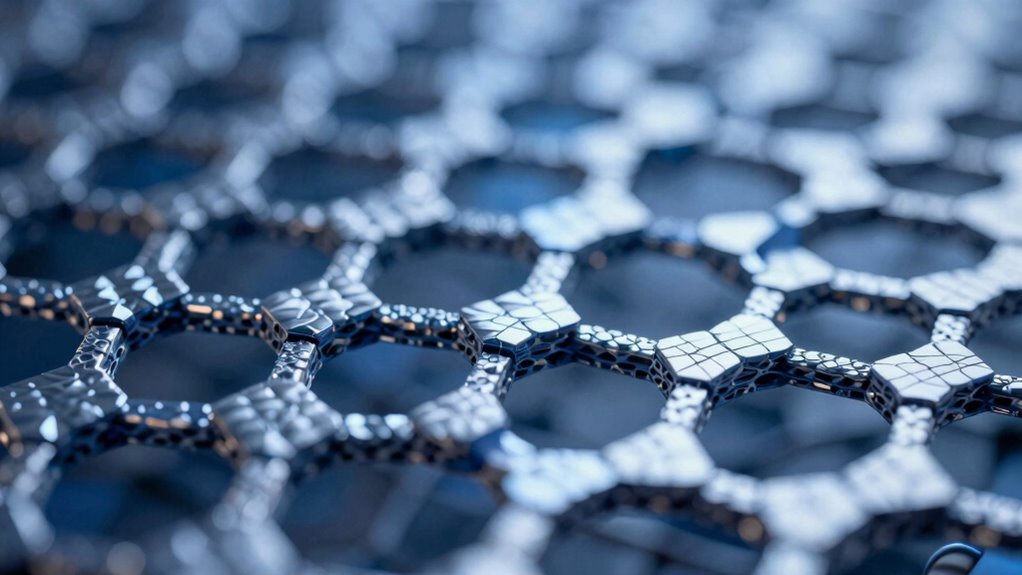
You see nanostructured carbon materials expanding because of their extraordinary strength, high electrical conductivity, and lightweight nature, making them perfect for many new products. Their unique thermal properties and versatility allow for innovations in batteries, sensors, and lightweight composites. As research uncovers new functionalities and manufacturing gets easier, these materials are becoming more common in everyday technology. Keep exploring, and you’ll discover how their potential could revolutionize various industries even further.
Key Takeaways
- Their exceptional strength, flexibility, and lightweight properties enable innovative, durable, and versatile applications across industries.
- High electrical and thermal conductivities facilitate advanced electronics and energy storage solutions.
- Compatibility with current manufacturing processes accelerates integration into consumer products and industrial applications.
- Ongoing research uncovers new functionalities, expanding potential uses and improving device efficiencies.
- Growing emphasis on sustainable manufacturing methods supports eco-friendly adoption and broader utilization.
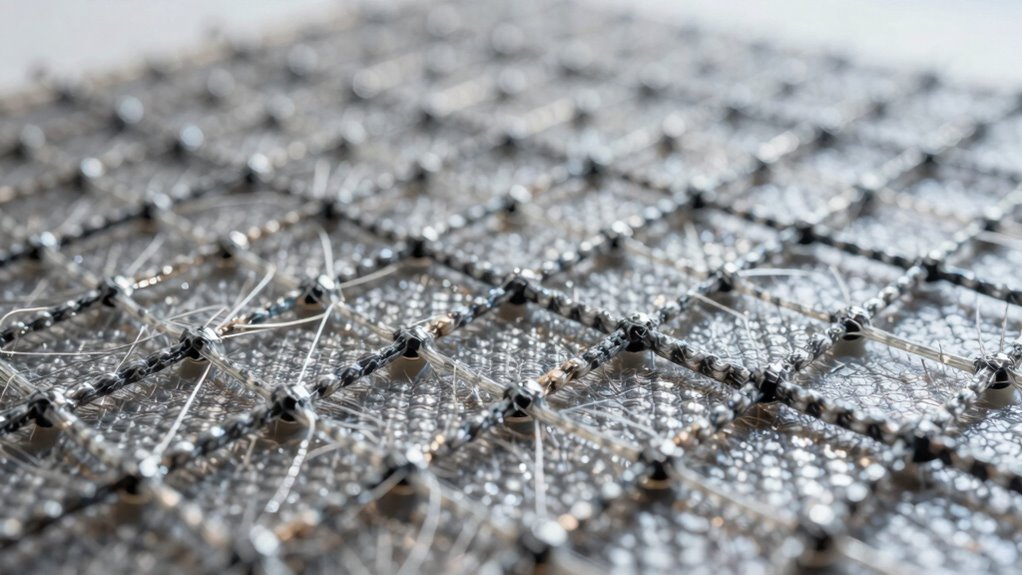
Have you ever wondered how nanostructured carbon materials are revolutionizing technology? These materials, especially graphene and carbon nanotubes, are unlocking new possibilities across industries. Their unique properties—extraordinary strength, flexibility, electrical conductivity, and lightweight nature—make them highly versatile. As research advances, their applications continue to grow, transforming everything from electronics to medicine.
Graphene applications stand out because of its remarkable electrical and thermal conductivity. Imagine flexible, ultra-thin screens that bend with ease or highly sensitive sensors detecting minute changes in the environment. Graphene’s transparency and conductivity enable the development of next-generation touchscreens, transparent conductors, and wearable electronics. Its potential in energy storage is equally impressive; batteries and supercapacitors made with graphene offer faster charging times, higher capacities, and longer lifespans. You might even see graphene-enhanced solar cells that are more efficient and lightweight, making renewable energy more accessible and practical.
Meanwhile, carbon nanotube innovations fuel ongoing progress in various fields. Their exceptional strength-to-weight ratio makes them ideal for reinforcing composites used in aerospace, automotive, and sports equipment. When integrated into materials, they create stronger, lighter structures that improve performance and fuel efficiency. In electronics, carbon nanotubes enable faster transistors and more efficient conductive pathways, paving the way for smaller, more powerful devices. Their ability to conduct electricity with minimal resistance also opens doors for advanced microelectromechanical systems (MEMS) and nanoelectronics. In medicine, carbon nanotubes are being explored for targeted drug delivery and biosensors, offering more precise treatment options and early disease detection.
The expanding use of these nanostructured carbon materials is driven by ongoing research that continually uncovers new functionalities. Their scalability and compatibility with existing manufacturing processes make them attractive for commercial adoption. You’re likely to see more consumer products incorporating graphene and carbon nanotubes as industries seek lighter, stronger, and smarter materials. This growth is supported by advanced manufacturing techniques, which facilitate their integration into various applications. Additionally, ongoing innovations in scalability and production are making these materials more accessible for widespread use. Moreover, sustainable manufacturing methods are increasingly being developed to reduce environmental impact during production.
The future of nanostructured carbon materials looks brighter than ever. As scientists and engineers deepen their understanding, you can expect innovations that make devices more efficient, sustainable, and integrated into everyday life. The expanding usage of graphene applications and carbon nanotube innovations reflects a broader trend toward smarter, more resilient, and eco-friendly technology—making these materials central to the next wave of scientific and industrial breakthroughs.
Continuous advancements in nanostructured carbon materials will likely lead to even more groundbreaking innovations across multiple sectors.
graphene flexible touchscreen
As an affiliate, we earn on qualifying purchases.
As an affiliate, we earn on qualifying purchases.
Frequently Asked Questions
Are Nanostructured Carbon Materials Environmentally Sustainable?
Nanostructured carbon materials can be environmentally sustainable if they’re produced using eco-friendly alternatives and sustainable processes. You should consider their potential to reduce reliance on harmful materials, which benefits biodiversity. However, it’s important to evaluate their life cycle impact, including extraction and disposal, to guarantee they don’t negatively affect ecosystems. When responsibly sourced and managed, these materials offer promising sustainable options for various applications.
How Do Nanostructured Carbon Materials Compare Cost-Wise to Traditional Materials?
You’ll find nanostructured carbon materials are incredibly cost-efficient compared to traditional materials, making them a game-changer. Their production costs are dropping rapidly, boosting market competitiveness. While initial investments can seem high, their durability and superior performance often save money long-term. As a result, they’re becoming more accessible and economically viable, transforming industries by offering solutions that are both innovative and budget-friendly.
What Are the Potential Health Risks of Nanostructured Carbon Exposure?
You should be aware that exposure to nanostructured carbon materials can pose health risks, mainly through inhalation or skin contact. Occupational safety measures are vital to minimize these risks. Conducting thorough toxicity assessments helps identify potential hazards. If proper precautions aren’t followed, you could face respiratory issues or other health problems. Staying informed and adhering to safety protocols is essential to protect yourself from possible nanomaterial-related health dangers.
Can Nanostructured Carbon Materials Be Recycled or Reused Effectively?
You can recycle nanostructured carbon materials, but it’s no walk in the park—they pose significant recycling challenges. Their chemical stability makes breaking them down tricky, often requiring advanced techniques. Despite these hurdles, researchers are developing innovative methods to reuse these materials effectively, reducing waste and environmental impact. While not yet effortless, progress suggests you’ll soon see more sustainable options for recycling nanostructured carbon, transforming what once seemed impossible into everyday practice.
What Are the Current Limitations in Large-Scale Manufacturing of These Materials?
You face scalability challenges in producing nanostructured carbon materials at large scale, mainly due to complex manufacturing processes. Manufacturing bottlenecks, such as precise control over material properties and high production costs, limit widespread adoption. To overcome these issues, you need to develop more efficient, cost-effective methods that can be scaled up without sacrificing quality, ensuring these innovative materials reach broader applications.
carbon nanotube reinforced composites
As an affiliate, we earn on qualifying purchases.
As an affiliate, we earn on qualifying purchases.
Conclusion
Imagine holding a tiny spark that could ignite revolutionary change—nanostructured carbon materials are just that. Their expanding use is like a wildfire, spreading across industries and fueling innovations from medicine to energy. With their incredible strength, conductivity, and versatility, you’re witnessing the dawn of a new era. As you embrace these materials, remember, you’re part of a movement transforming possibilities into reality—one nanostructure at a time.

Battery Organizer Storage Box with Tester, Battery Vault Case Fireproof Waterproof Explosionproof Holder Box with Tester BT-168 Checker Carrying Case Container Bag Fit for 200+ Batteries AA AAA C D 9V
Fireproof Explosion Proof Waterproof: Fireproof Battery Organizer Case is made of upgraded non-itchy silicone coated fiberglass that can…
As an affiliate, we earn on qualifying purchases.
As an affiliate, we earn on qualifying purchases.
nanostructured carbon sensors
As an affiliate, we earn on qualifying purchases.
As an affiliate, we earn on qualifying purchases.