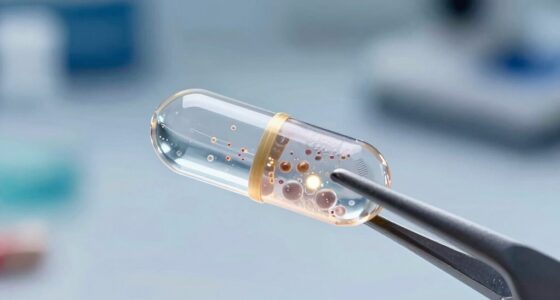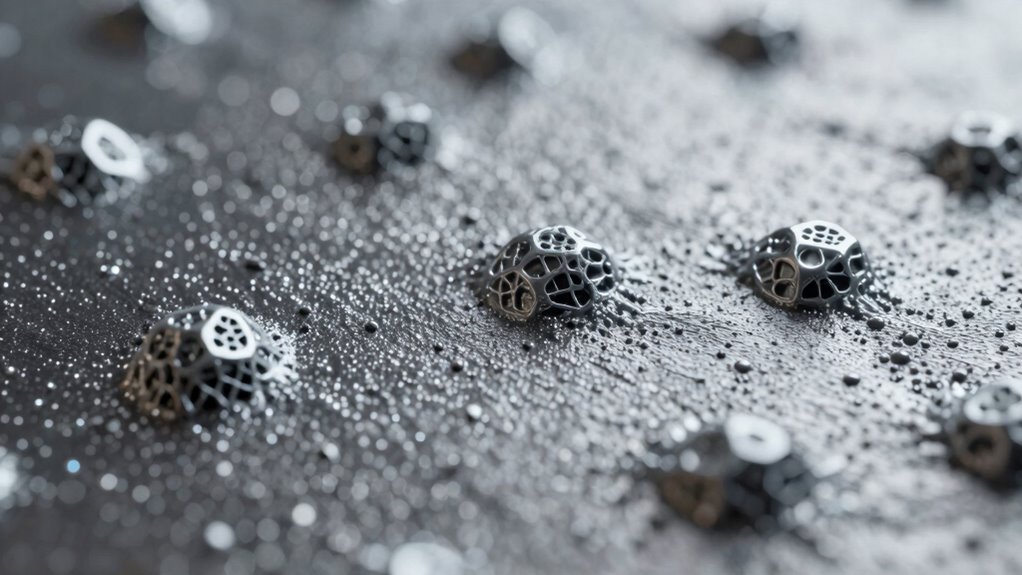

Nanomaterials are promising for antimicrobial coatings because their tiny size increases reactivity and surface area, allowing better interaction with microbes. They can be precisely tailored to enhance stability, adhesion, and effectiveness against bacteria, fungi, and viruses. Surface modifications improve durability and reduce toxicity, making them safer and longer-lasting. Their ability to target microbes directly and generate reactive species makes them highly effective. Keep exploring to uncover how these innovations could transform antimicrobial solutions.
Key Takeaways
- Nanoscale size increases reactivity and surface area, enhancing antimicrobial effectiveness.
- Surface modification strategies improve stability, adhesion, and targeted delivery of nanoparticles.
- Tailorable properties through controlled synthesis allow customization for specific antimicrobial applications.
- High surface-to-volume ratio enables sustained release and durability of antimicrobial agents.
- Environmentally conscious synthesis and safety considerations ensure sustainable and safe antimicrobial coatings.
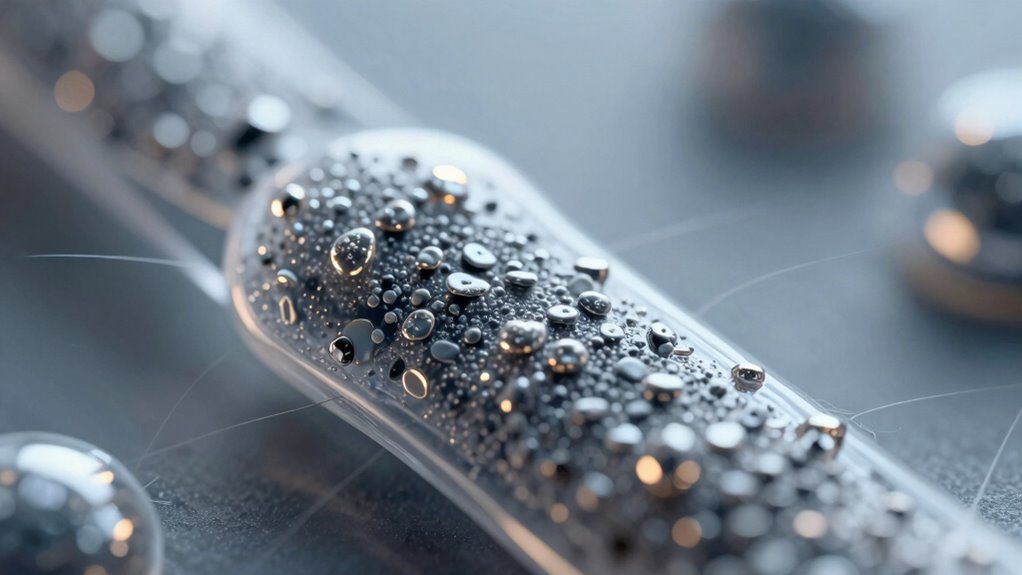
Nanomaterials have revolutionized antimicrobial coatings by offering highly effective, durable, and versatile solutions to combat microbial contamination. Their unique properties stem from their nanoscale size, which enhances reactivity and surface area, making them ideal for antimicrobial applications. One of the key factors contributing to their promise is the process of nanoparticle synthesis. This process allows you to carefully control particle size, shape, and composition, resulting in nanoparticles with tailored properties suited for specific antimicrobial needs. For example, producing silver or copper nanoparticles with precise size ranges can maximize their ability to generate reactive oxygen species or disrupt microbial cell membranes. The synthesis methods—such as chemical reduction, sol-gel, or green synthesis—offer versatility and scalability, enabling you to produce nanoparticles efficiently and sustainably. This control over nanoparticle synthesis ensures that the coatings you develop are consistently effective against a broad spectrum of microbes, including bacteria, fungi, and viruses. Advances in nanoparticle synthesis techniques further expand the possibilities for customizing antimicrobial properties and improving safety profiles. Additionally, understanding the interaction mechanisms between nanoparticles and microbes can help optimize their design for specific applications. Incorporating targeted delivery strategies can also enhance the efficacy of nanomaterials by directing antimicrobial agents precisely where needed, reducing potential side effects. Moreover, ongoing research into nanomaterial safety is crucial to address environmental and health concerns associated with their use. Incorporating insights from material science can accelerate the development of safer and more effective nanocoatings. Surface modification further enhances the functionality of nanomaterials for antimicrobial coatings. By altering the surface chemistry, you can improve stability, dispersibility, and adhesion to various substrates. Surface modification techniques, such as coating nanoparticles with polymers, functional groups, or biomolecules, allow you to fine-tune interactions with microbial cells and the environment. For instance, adding hydrophilic or hydrophobic groups can influence how nanoparticles interact with microbial cell walls, boosting their antimicrobial efficacy. Additionally, surface modification can help reduce potential toxicity to human cells and the environment by controlling nanoparticle release rates and interactions. This aspect is essential for developing safe, long-lasting coatings suitable for diverse settings, from medical devices to food packaging. The ability to modify surfaces at the nanoscale provides a strategic advantage in designing coatings that are both effective and environmentally considerate. The combination of precise nanoparticle synthesis and strategic surface modification elevates the potential of nanomaterials in antimicrobial coatings. You gain the ability to engineer coatings that are not only highly effective but also stable, customizable, and environmentally friendly. Their durability stems from the strong interactions between nanoparticles and surfaces, resisting degradation over time. Additionally, these coatings can be designed to release antimicrobial agents gradually, maintaining protection for extended periods. Overall, the synergy between nanoparticle synthesis and surface modification grants you the power to develop next-generation antimicrobial coatings that meet the growing demand for safer, more sustainable solutions in healthcare, industry, and everyday life.

Recent Progress in Antimicrobial Nanomaterials
As an affiliate, we earn on qualifying purchases.
As an affiliate, we earn on qualifying purchases.
Frequently Asked Questions
Are Nano Materials Environmentally Safe for Long-Term Use?
Nano materials can be environmentally safe for long-term use, but it depends on their design and application. You should consider their environmental impact, as some nanomaterials may pose risks if they accumulate or leach into ecosystems. Regulatory challenges also influence their safety, since standards are still evolving. If properly tested and regulated, nano materials can offer effective antimicrobial coatings without harming the environment over time.
How Do Nano Coatings Affect Human Health During Application?
During application, nano coatings can pose health risks if particles become airborne or come into skin contact. You might experience skin absorption of tiny particles, which could potentially lead to irritation or other health issues. It’s vital to wear protective gear, like gloves and masks, to minimize exposure. Proper handling and ventilation are key to reduce risks and guarantee safety when working with nano coatings.
Can Nano Antimicrobial Coatings Be Easily Removed or Replaced?
Nano antimicrobial coatings can often be removed or replaced, but it depends on their surface adhesion and application method. If the coating has strong surface adhesion, it may require specialized techniques like abrasive cleaning or chemical stripping for removal. Coating longevity also plays a role; longer-lasting coatings might be more challenging to remove. Regular maintenance or reapplication guarantees continuous antimicrobial protection, making replacements manageable when necessary.
What Is the Cost Comparison Between Nano and Traditional Coatings?
You might think nano coatings are pricier, but their cost efficiency often outweighs traditional options. While manufacturing challenges exist, advances in production have lowered expenses, making nano materials more competitive. Over time, the durability and added antimicrobial benefits can reduce maintenance costs, providing better value. So, although initially more expensive, nano antimicrobial coatings can be a smart investment, offering long-term savings and superior protection.
How Durable Are Nano Antimicrobial Coatings Under Extreme Conditions?
Nano antimicrobial coatings are highly durable under extreme conditions due to their excellent surface adhesion, which guarantees they stay firmly attached even in harsh environments. Their coating longevity outperforms traditional options, resisting wear, corrosion, and temperature fluctuations. You’ll find that nanomaterials maintain their antimicrobial properties longer, making them reliable for demanding applications. This durability means less frequent reapplication, saving you time and costs while ensuring continuous protection in extreme conditions.
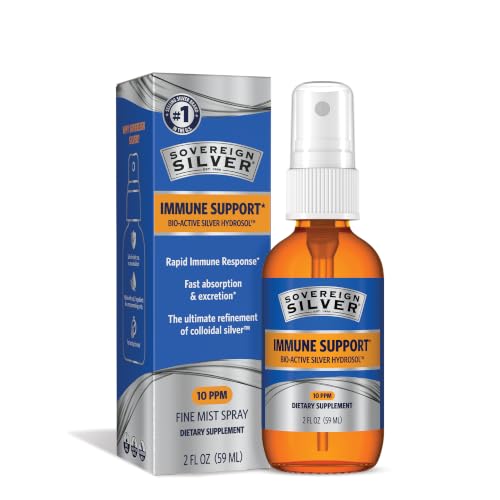
Sovereign Silver Immune Support, Colloidal Silver, Fine Mist Spray, 2 fl oz
EFFECTIVE IMMUNE SUPPORT – Our colloidal silver is formulated for fast immune support with ultra-fine silver in pure…
As an affiliate, we earn on qualifying purchases.
As an affiliate, we earn on qualifying purchases.
Conclusion
Considering their incredible surface area and unique properties, nano materials truly revolutionize antimicrobial coatings. They offer stronger, longer-lasting protection against microbes, making environments safer. As technology advances, don’t you want to be part of a future where infections are more easily controlled? Nano materials hold the key to that future—so why not embrace their potential today? The possibilities are endless when it comes to safeguarding our health with these tiny but mighty solutions.

Nanotech Environmental NE001 Zoom Cleaner PREMIX 1 L
Nanotech Environmental NE001 ZOOM CLEANER PREMIX 1 L
As an affiliate, we earn on qualifying purchases.
As an affiliate, we earn on qualifying purchases.

Antimicrobial Coatings and Modifications on Medical Devices
As an affiliate, we earn on qualifying purchases.
As an affiliate, we earn on qualifying purchases.