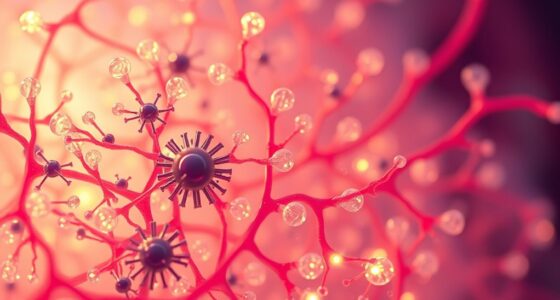

Nanotech for brain disorder treatments offers exciting possibilities by enabling precise drug delivery, real-time neural monitoring, and potential regeneration of damaged tissues. It can cross the blood-brain barrier more effectively, increasing therapy effectiveness. However, you should also be aware of neurotoxicity risks like inflammation and cellular damage, along with ethical concerns and safety regulations. Staying informed will help you understand how these innovations might shape future treatments and their broader implications.
Key Takeaways
- Nanotechnology enables targeted drug delivery and real-time neural monitoring for treating brain disorders.
- It can cross the blood-brain barrier more effectively, improving therapy efficacy.
- Advances support neural regeneration and innovative treatment approaches for conditions like Parkinson’s and Alzheimer’s.
- Safety concerns include neurotoxicity, inflammation, and unintended neural tissue interactions.
- Ethical and regulatory considerations are essential to ensure responsible development and application of nanotech therapies.
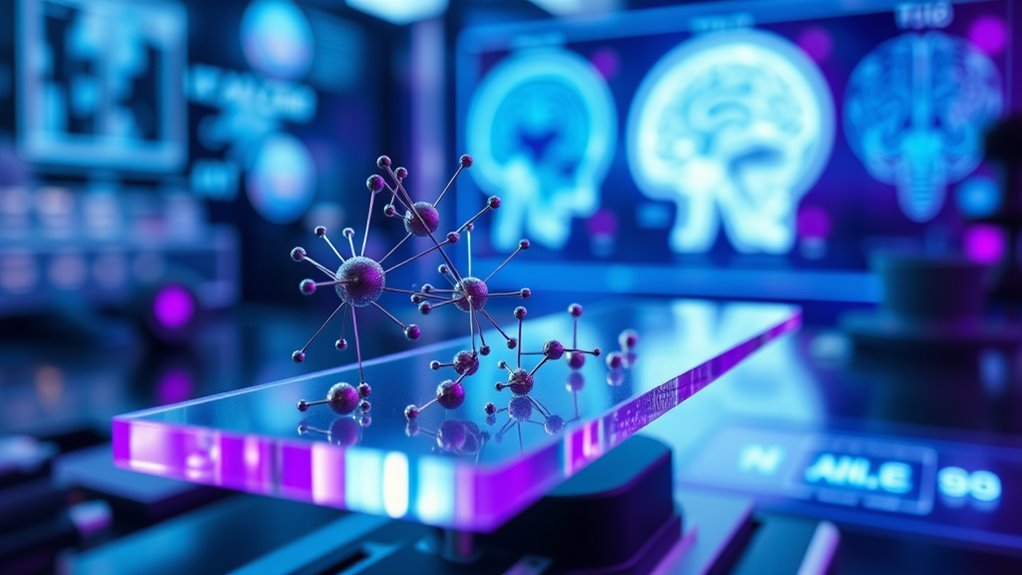
Advancements in nanotechnology are transforming how we approach brain disorder treatments, offering new hope for more effective and targeted therapies. As these tiny tools penetrate the brain’s complex environment, they open doors to precise drug delivery, real-time monitoring, and even neural regeneration. However, with this progress comes a set of critical considerations that you need to be aware of. Neurotoxicity concerns are at the forefront, as the interaction between nanomaterials and neural tissue can sometimes produce unintended harmful effects. These particles, due to their small size and unique properties, might cross the blood-brain barrier more easily than traditional drugs, but this also raises questions about their potential to induce inflammation, oxidative stress, or cellular damage. Researchers are actively investigating these risks, but until safety profiles are fully established, it’s essential to approach nanotech-based treatments with caution.
Moreover, understanding the blood-brain barrier and how nanomaterials interact with it is crucial for developing safe and effective therapies. Beyond safety, ethical implications also loom large. The use of nanotechnology in the brain touches on sensitive issues like consent, privacy, and the potential for cognitive enhancement. Imagine a future where nanobots could not only treat disorders but also modify brain functions—would that be a step toward healing or manipulation? You must consider whether patients are fully informed about the possible long-term effects, especially since nanomaterials might interact with the brain in ways that aren’t yet fully understood. Additionally, questions about data security arise, as nanodevices could theoretically monitor neural activity, raising concerns about privacy and misuse. These issues demand robust ethical frameworks and regulations before widespread adoption.
Furthermore, the development of nanotech therapies must balance innovation with responsibility. You need to advocate for thorough testing and regulation to prevent potential misuse or unforeseen consequences. While nanotechnology promises revolutionary progress, it also challenges existing ethical boundaries, requiring you to stay informed about ongoing debates and safety protocols. As research advances, transparency becomes critical to ensure public trust and ethical integrity. It’s crucial that scientists, clinicians, and policymakers work together to establish guidelines that prioritize safety, respect individual rights, and address societal impacts.
As an affiliate, we earn on qualifying purchases.
Frequently Asked Questions
What Are the Potential Long-Term Side Effects of Nanotech in Brains?
You might face neurotoxicity risks if nanotech isn’t properly designed, leading to potential damage to your brain cells over time. Long-term stability is uncertain, as some nanomaterials could degrade or accumulate, causing inflammation or other adverse effects. While nanotech offers promising treatment options, you should stay cautious about possible long-term side effects, and ongoing research aims to guarantee these interventions remain safe and effective for the years ahead.
How Cost-Effective Are Nanotech Treatments Compared to Traditional Therapies?
You’ll find nanotech treatments can be more cost-effective than traditional therapies over time, thanks to targeted delivery reducing side effects and improving outcomes. An affordability analysis shows initial costs might be higher, but long-term savings arise from fewer hospital visits and better patient health. While upfront expenses are notable, the potential for improved efficiency and reduced ongoing treatment makes nanotech a promising, economically viable option for brain disorder management.
Can Nanotech Be Personalized for Individual Patient Needs?
Personalized medicine perfectly prioritizes patient-specific therapies, and nanotech naturally navigates this niche. You can customize nanotech, tailoring treatments to individual patient needs by designing nanoparticles that target unique biological markers. This precise, personalized approach promises to improve outcomes, minimize side effects, and optimize efficacy, making nanotech an adaptable, advanced tool that responds precisely to each person’s unique brain disorder profile.
What Are the Ethical Considerations Surrounding Nanotech Brain Treatments?
You should consider that ethical concerns with nanotech brain treatments involve privacy concerns, as sensitive neural data might be vulnerable to misuse. Consent challenges also arise, since patients may struggle to fully understand the risks or implications of such advanced technology. It’s vital for you to guarantee informed consent, prioritize patient autonomy, and advocate for strict data protection to address these ethical issues responsibly.
How Soon Might Nanotech Treatments Become Widely Available?
You could see nanotech treatments for brain disorders within the next decade, but several hurdles remain. Regulatory hurdles, like safety standards and approval processes, could delay deployment. Public acceptance plays a vital role, as understanding and trust influence adoption. While advancements accelerate, widespread availability hinges on overcoming these challenges, ensuring treatments are safe, effective, and accepted. Stay tuned—science is swiftly steering toward smarter, safer solutions.
brain nanotech drug delivery systems
As an affiliate, we earn on qualifying purchases.
As an affiliate, we earn on qualifying purchases.
Conclusion
As you explore nanotech’s potential, you realize it’s like discovering a new elixir for brain health. With precise delivery and innovative solutions, you’re on the brink of transforming how brain disorders are treated—much like how Leonardo’s inventions once reshaped the world. Embrace this cutting-edge technology, because the future of neuroscience is unfolding right before your eyes. Now’s the time to believe in the power of tiny tools for monumental change.
As an affiliate, we earn on qualifying purchases.
brain health monitoring wearable
As an affiliate, we earn on qualifying purchases.
As an affiliate, we earn on qualifying purchases.