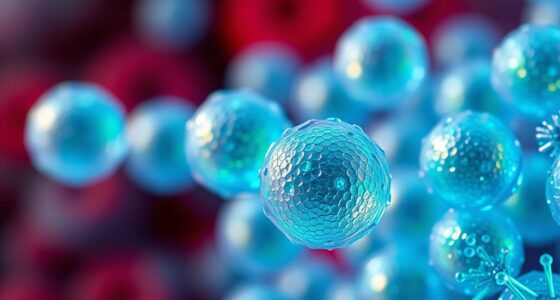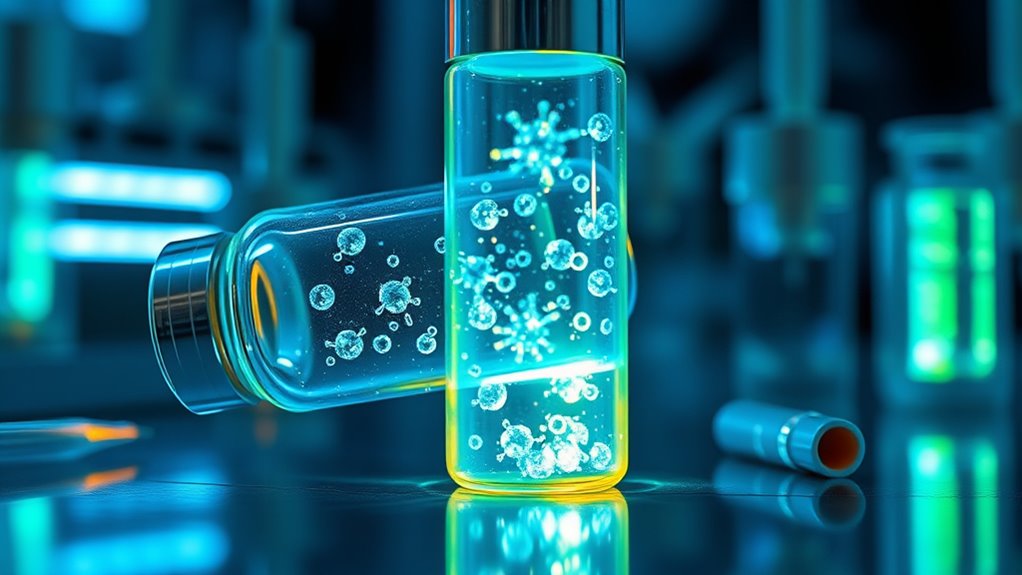

Nanotech vaccines of the future use tiny particles to deliver targeted, effective immune responses while reducing side effects. They enable precise delivery of vaccine components directly to your immune cells, improving efficacy and safety. These vaccines can boost and control immune responses, making them stronger and longer-lasting. They also allow for personalization based on your genetic or immune profile. Stay tuned, as ongoing innovations promise to make immunization more smart, safe, and tailored to your needs.

Get the latest gadgets delivered free — and shop member deals
- Fast, free delivery on millions of items
- Access to Prime Big Deal Days deals on October 6–7
- Prime Video, Amazon Music and more included
Key Takeaways
- Future nanotech vaccines will enable highly targeted delivery to immune cells, improving efficacy and reducing side effects.
- They will incorporate advanced immune modulation techniques for controlled, sustained immune responses.
- Personalized vaccines tailored to individual genetic or immune profiles will become possible using nanotechnology.
- Rapid development and deployment of vaccines for emerging threats will be accelerated through AI-enhanced nanotech.
- Overall, nanotech vaccines will provide safer, more effective, and adaptable disease prevention solutions.

Have you ever wondered how future vaccines might revolutionize healthcare? With advancements in nanotechnology, the possibilities are more exciting than ever. Nanotech vaccines are poised to transform how we prevent and treat diseases by utilizing precise molecular delivery and immune modulation techniques. These tiny particles, often no larger than a few nanometers, can be engineered to deliver vaccine components directly to specific cells or tissues. This targeted molecular delivery guarantees that the immune system receives the right signals at the right time, increasing vaccine efficacy while reducing side effects. Instead of broad, systemic immune activation, nanotech vaccines can focus on particular immune pathways, making them more effective against complex or elusive pathogens.
Immune modulation is another key advantage of these futuristic vaccines. By fine-tuning the immune response, nanotechnology allows for a more controlled and sustained activation of immunity. For example, nanocarriers can carry adjuvants—substances that boost immune responses—directly to immune cells, enhancing their activation without overstimulating the system. This precise immune regulation not only improves the strength and durability of the immune response but also minimizes issues like inflammation or adverse reactions often associated with traditional vaccines. You would benefit from vaccines that are not only more effective but also safer and more comfortable to receive.
Furthermore, nanotech vaccines could open new doors for tackling diseases that have long resisted traditional vaccine approaches. For instance, complex viruses like HIV or certain cancers could be targeted more effectively with nanocarriers that deliver antigens and immune modulators specifically to immune cells involved in fighting these diseases. The ability to customize these particles means you could see personalized vaccines tailored to an individual’s genetic makeup or immune profile, boosting protection where it’s needed most. This adaptability might also enable rapid development in response to emerging infectious threats, reducing the time it takes to bring effective vaccines from the lab to the field. Additionally, ongoing research into AI-enhanced nanotechnology could further accelerate vaccine development and optimize delivery systems.
As you consider the future of healthcare, it’s clear that nanotech vaccines hold the promise of more precise, effective, and adaptable immunizations. Molecular delivery guarantees that the immune system gets exactly what it needs, while immune modulation fine-tunes the response for maximum benefit with minimal risk. These innovations could redefine how we approach disease prevention, making vaccines safer, more targeted, and more personalized than ever before. The potential is enormous, and with ongoing research, you’ll likely see nanotechnology playing a central role in future immunization strategies.
nanotech vaccine delivery system
As an affiliate, we earn on qualifying purchases.
As an affiliate, we earn on qualifying purchases.
Frequently Asked Questions
How Long Will Nanotech Vaccines Remain Effective?
Nanotech vaccines’ effectiveness varies, but you can expect their vaccine longevity and immunity duration to last several months to a few years. Factors like virus mutations and your immune system influence this, so booster shots might be needed for continued protection. Researchers are working to enhance durability, but ultimately, staying updated with the latest vaccines will help maintain peak immunity.
Are Nanotech Vaccines Safe for Children and Pregnant Women?
Nanotech vaccines are still being studied, but current research suggests they can be safe for children and pregnant women when developed with proper safety measures. You should consider child safety and pregnancy considerations, consulting healthcare professionals before vaccination. Ongoing trials focus on minimizing risks and ensuring efficacy. While promising, it’s essential to stay informed about new data and follow medical advice to protect both your child’s and your health during pregnancy.
What Are the Potential Environmental Impacts of Nanotech Vaccines?
Think of nanotech vaccines as tiny ships sailing into uncharted waters. Their environmental impact could cause environmental toxicity if not carefully managed, much like a ship spilling cargo. You need effective waste management to prevent these nanomaterials from polluting ecosystems. If handled responsibly, they pose minimal risk; but poor practices might lead to long-term harm. Staying vigilant guarantees these innovations benefit society without compromising environmental health.
How Quickly Can Nanotech Vaccines Be Developed for New Diseases?
You can expect nanotech vaccines to be developed quite rapidly for new diseases, thanks to their adaptable design and advanced technology. However, this quick development process faces regulatory challenges, as authorities need to thoroughly evaluate safety and efficacy. While the potential for rapid deployment exists, balancing speed with proper oversight remains essential to guarantee these innovative vaccines are safe for widespread use.
Will Nanotech Vaccines Require Special Storage Conditions?
Nanotech vaccines may require special storage conditions to guarantee storage stability, often involving cold chain requirements. You’ll need to keep them at specific temperatures to maintain their effectiveness, especially if they are sensitive to heat or light. Advances in nanotech might reduce these needs over time, but currently, you should plan for proper refrigeration or freezing to preserve vaccine potency and safety during distribution and storage.
As an affiliate, we earn on qualifying purchases.
Conclusion
So, get ready to embrace the marvels of nanotech vaccines—tiny soldiers armed with futuristic flair. Who needs traditional shots when you can have microscopic marvels zipping through your system, fighting off diseases before you even notice? It’s all about progress, right? Soon, you’ll be thanking those tiny tech geniuses for saving you with a sprinkle of science and a dash of daring. Cheers to a future where size really does matter—especially when it’s tiny!
As an affiliate, we earn on qualifying purchases.
As an affiliate, we earn on qualifying purchases.
Fall Picks
fall essentials
As an affiliate, we earn on qualifying purchases.