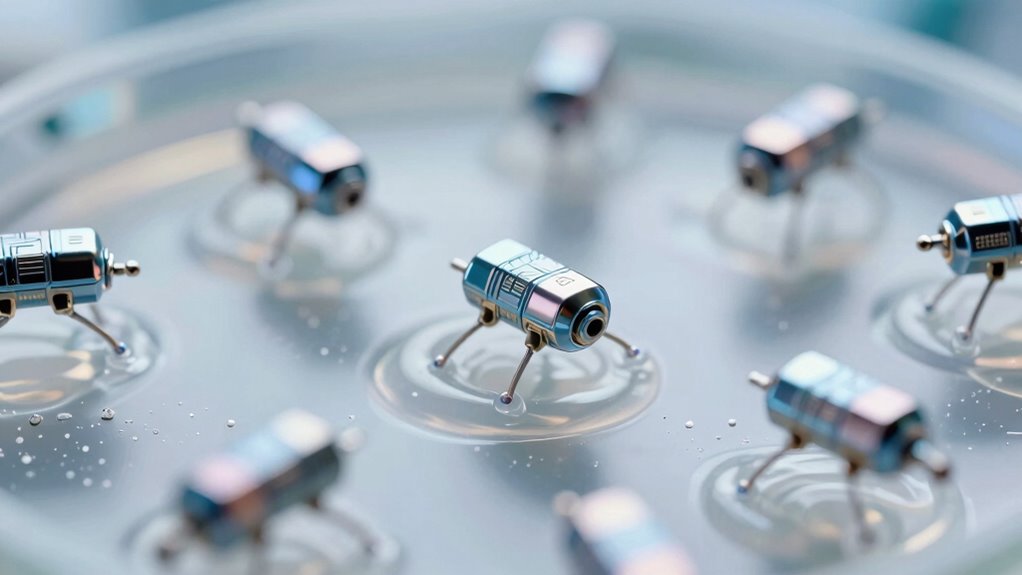

The first real nanorobots can deliver drugs precisely, perform diagnostics, and even conduct microscale surgeries within the body. They navigate complex environments using magnetic fields, biohybrid designs, and sensors. However, they still face challenges like limited autonomy, manufacturing scalability, immune reactions, and long-term safety concerns. While promising, many technical and biological hurdles remain before widespread clinical use. If you want to discover how these tiny machines are evolving and what’s on the horizon, there’s more to explore.
Key Takeaways
- Early nanorobots can target drug delivery and perform basic diagnostics in laboratory and animal models.
- They can navigate complex biological environments using external magnetic, acoustic, or optical controls.
- Current nanorobots lack full autonomy, onboard power, and decision-making capabilities required for complex tasks.
- Safety, immune response, and biodegradability remain significant challenges for clinical application.
- Manufacturing complex, reliable nanorobots with consistent quality and regulatory approval is still in development.
Top picks for "first real nanorobot"
Open Amazon search results for this keyword.
As an affiliate, we earn on qualifying purchases.
Milestones in Nanorobotics Development
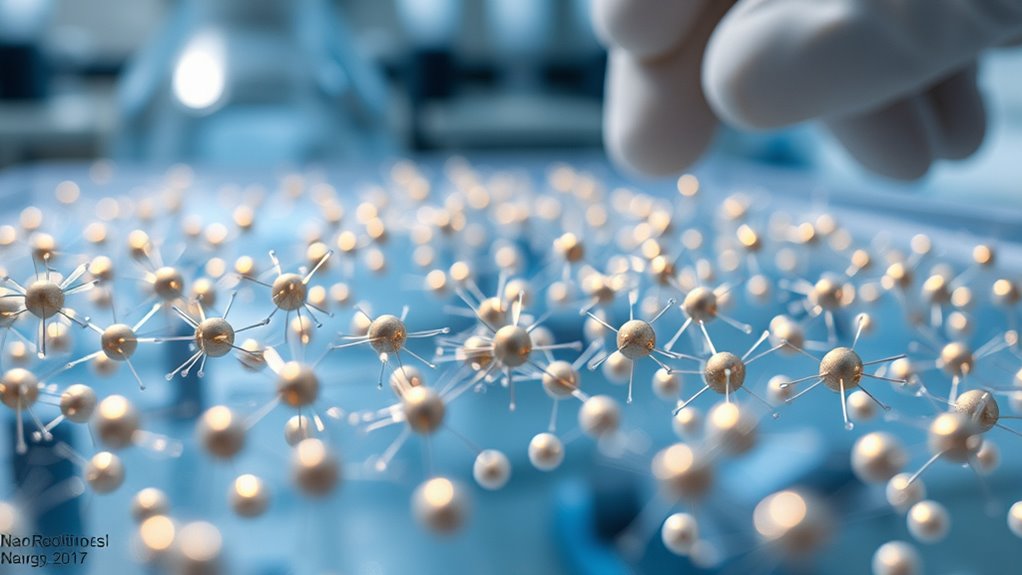
Nanorobotics has achieved several key milestones that demonstrate its rapidly advancing capabilities. In the early 2000s, researchers demonstrated laboratory-scale nanodevices that moved controllably and performed basic tasks at micro and nano scales, proving their potential for medicine. The development of DNA-origami nanorobots marked a significant breakthrough, as they could deliver payloads and release cargo in preclinical models. Magnetically actuated corkscrew micro-robots achieved propulsion against blood flow in animal studies, showing navigation in vascular-like environments. Biologically hybrid microrobots, combining living cells or biofunctionalized components, performed targeted bacterial clearance and localized therapy in animals. Recently, initial human safety and feasibility studies emerged, paving the way for future clinical applications. Understanding the capabilities of nanorobots is essential for assessing their potential impact on healthcare and industry. Additionally, ongoing research into biocompatibility and control mechanisms is crucial for advancing clinical translation. As research progresses, the development of precise control techniques remains a priority to improve their functionality and safety in medical settings. Moreover, advancements in energy-efficient actuation contribute to the potential for sustainable nanorobot deployment in medical environments. Continued innovations in power sources and energy management are also vital for increasing the operational lifespan of nanorobots in vivo.
Demonstrated Capabilities in Preclinical Settings

Preclinical studies have demonstrated that micro- and nanorobots can effectively target specific tissues, such as tumors and vascular lesions, by maneuvering through complex biological environments. You can see these robots delivering drugs directly to affected areas, resulting in higher local concentrations and reduced systemic exposure. They navigate small vessels using external magnetic control and shape-optimized designs like spirals or corkscrews, enabling access to deep tissues in animals. Some nanorobots act as contrast agents or biosensors, enhancing imaging and early detection. Others perform mechanical tasks like microscale thrombectomy or vascular recanalization. These experiments validate the potential for continuous intravascular surveillance, tumor monitoring, and vascular screening. Additionally, ongoing research focuses on improving autonomous decision-making and ensuring long-term safety of these devices. Advances in biocompatibility are crucial for reducing immune responses and tissue damage, further supporting clinical translation. Moreover, researchers are exploring biodegradable materials to minimize long-term persistence and potential adverse effects. Overall, preclinical data highlight significant progress, though challenges in autonomous decision-making and long-term safety remain.
Navigational and Control Techniques
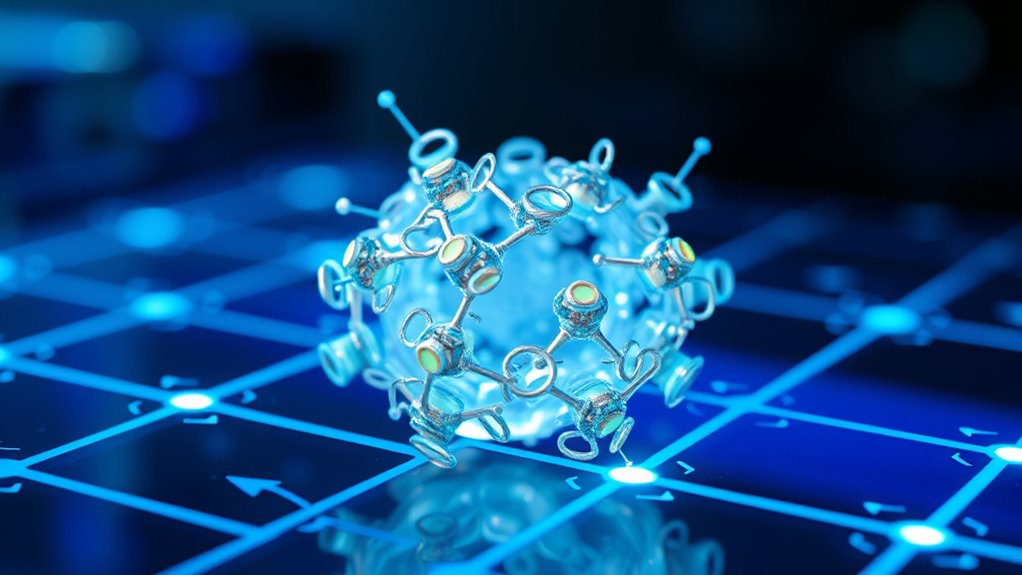
Effective navigation and control are essential for enabling the full potential of nanorobots within biological systems. Currently, external fields like magnetic, acoustic, and optical forces serve as the main control methods. Magnetic fields, in particular, allow precise steering of magnetically responsive micro- and nanorobots through blood vessels, even against flow. Shape-optimized designs, such as corkscrew or spiral structures, enhance propulsion and maneuverability. Biohybrid strategies, combining living cells with synthetic parts, leverage natural motility and sensing for navigation. DNA origami and programmable nanostructures enable targeted cargo release and molecular recognition. To reduce immune clearance and prolong circulation, functional coatings like PEGylation are under development. Despite these advances, autonomous decision-making and long-term in vivo control remain significant challenges. Additionally, understanding the principles of floating on water can inform the development of passive transportation mechanisms for nanorobots in fluid environments. Exploring biocompatibility is crucial for designing nanorobots that can operate safely within living organisms without adverse immune responses. Moreover, research into biological interfaces can facilitate more seamless integration of nanorobots with host tissues, enhancing their effectiveness and safety. Innovations in targeted delivery are also advancing the precision with which nanorobots can locate and treat specific cells or tissues. Furthermore, ongoing studies into immune evasion strategies aim to improve the longevity and functionality of nanorobots in vivo.
Materials and Design Strategies
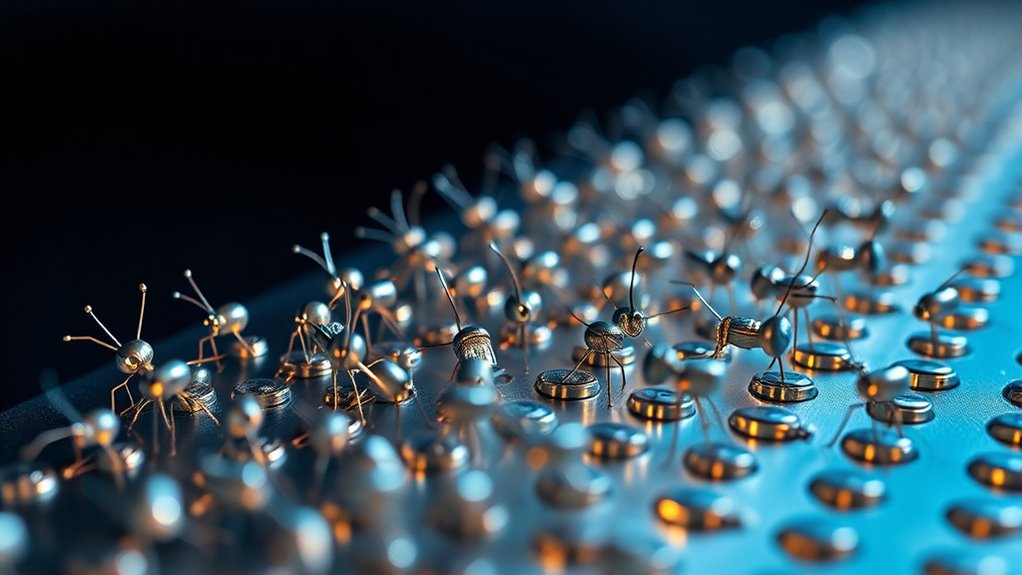
When choosing materials for nanorobots, you need to take into account their compatibility with biological environments to prevent immune reactions and toxicity. Designing for biodegradability ensures that these devices can break down safely after completing their tasks, reducing long-term risks. Balancing material strength, responsiveness, and safe degradation is essential for creating effective, biocompatible nanorobots. Additionally, understanding local cultural influences can inform how these devices are designed to better suit diverse biological and environmental contexts. Incorporating material biocompatibility testing early in development helps ensure safety and effectiveness. Considering free floating environments can further optimize material selection for different operational settings. Conducting thorough stress testing of materials can help identify potential failure points under physiological conditions. Incorporating insights from impactful quotes can inspire innovative design solutions that address safety and functionality challenges.
Material Choices and Compatibility
Material choices for nanorobots are critical to their functionality, biocompatibility, and safety within the human body. You need materials that respond predictably to control methods, degrade safely, and avoid immune rejection. Common options include soft polymers for flexibility, metals like iron or nickel for magnetic actuation, and biodegradable composites that break down after use. To optimize compatibility, researchers explore surface coatings such as PEGylation or biomimetic membranes to reduce immune clearance. Key considerations include:
- Selecting materials with suitable mechanical and chemical properties
- Ensuring materials are non-toxic and elicit minimal immune response
- Incorporating coatings to enhance biocompatibility and circulation time
- Balancing durability with safe biodegradation profiles
- Understanding affiliate marketing to stay informed about the latest material innovations and safety standards
- Considering recent advancements in materials science to improve nanorobot performance and safety. Researchers also examine biodegradability to ensure materials safely break down after completing their tasks, minimizing long-term risks. Additionally, understanding immune response is essential for designing materials that minimize rejection and inflammation, ensuring the nanorobot’s effectiveness and safety. Staying updated on material testing methods is crucial for verifying the safety and performance of these materials before clinical use.
Choosing the right materials guarantees your nanorobot can perform its tasks safely and effectively.
Design for Biodegradability
Designing nanorobots with biodegradability in mind guarantees they can perform their functions and safely exit the body without leaving harmful residues. You should select materials that naturally break down into non-toxic components after task completion. Biodegradable polymers, inorganic-organic composites, and bioresorbable metals are promising options. Using these materials, you can create structures that maintain stability during operation but degrade once their purpose is fulfilled. To emphasize this, consider the following:
| Material Type | Key Advantage | Degradation Profile |
|---|---|---|
| Polymers | Biocompatibility, flexibility | Controlled, predictable breakdown |
| Metals | Magnetic control, strength | Bioresorption, safe clearance |
| Composites | Balance durability and degradation | Tailored degradation rates |
Prioritizing biodegradability enhances safety and regulatory approval prospects. Additionally, understanding the degradation profile of materials helps ensure that the nanorobots safely break down after use. Incorporating material stability considerations during design can also help optimize both performance and degradation timing.
Biological Integration and Safety Considerations
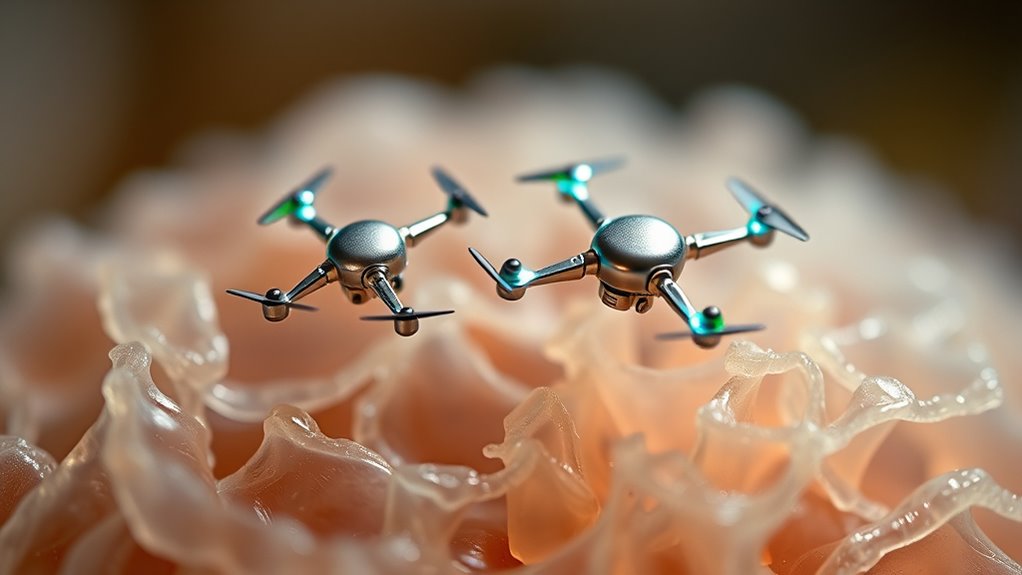
Biological integration of nanorobots presents significant safety challenges that must be addressed before clinical use. You need to consider how these devices interact with the body’s immune system and tissues, preventing adverse reactions. Key concerns include:
- Immune clearance and potential toxicity from materials or payloads
- Off-target accumulation and unintended biochemical interactions
- Long-term immunogenicity and clearance profiles
- Risks of mechanical obstruction or aggregation
Addressing these issues involves developing stealth coatings, biocompatible materials, and fail-safe mechanisms. Ensuring safety requires extensive testing of immune responses, degradation pathways, and potential toxicity. Regulatory approval hinges on demonstrating safe, predictable interactions within the body, minimizing risks of adverse effects. Overcoming these safety hurdles is vital for advancing nanorobots toward widespread clinical application.
Current Limitations and Technical Barriers
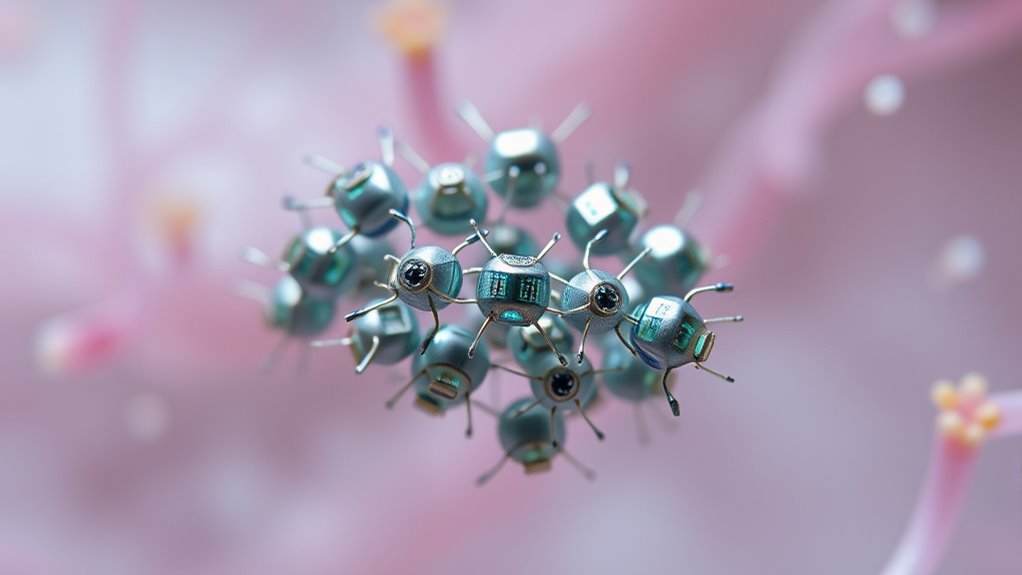
Despite significant progress in developing nanorobots for medical applications, numerous technical barriers still stand in the way of clinical translation. Autonomous, long-term decision-making at cellular resolution remains unachieved; current systems depend heavily on external control or simple biochemical triggers. Propulsion and steering in human-scale, high-flow blood vessels are unreliable across various physiologic conditions, often limited to small-animal or ex vivo environments. Manufacturing complex nanorobots with consistent quality and biocompatibility at scale is still a challenge. Additionally, complete understanding of clearance, biodegradation, and long-term immune responses in humans is lacking, impeding regulatory approval. On-board power, computation, and multi-sensor integration at nanoscale levels are not yet possible, restricting autonomous, complex functions necessary for advanced medical tasks.
Near-Term Clinical Applications
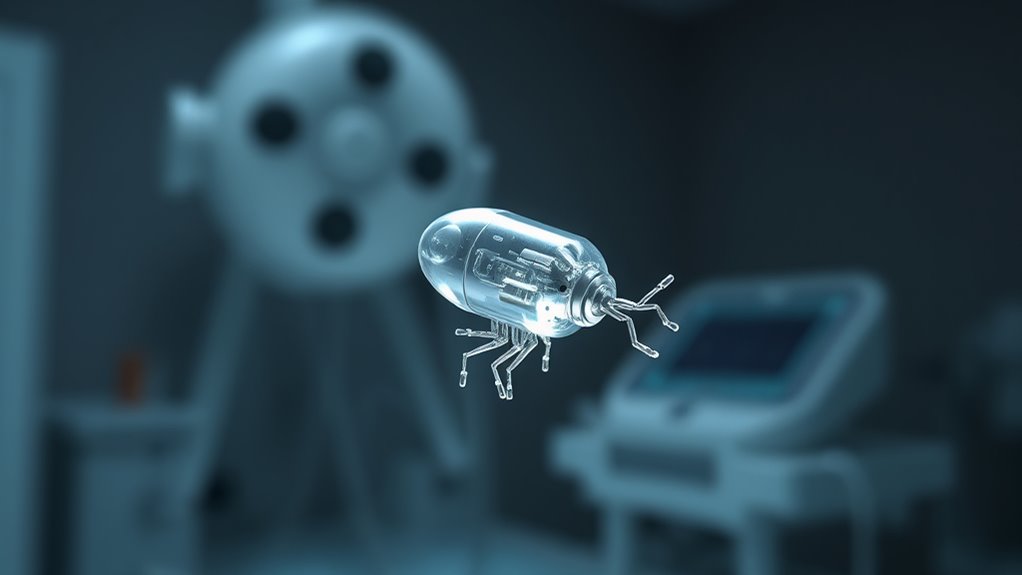
You’ll likely see nanorobots in early clinical trials focused on targeted drug delivery, especially for tumors and vascular lesions. Diagnostic sensor devices, such as circulating sensors for biomarkers, are also promising for rapid, minimally invasive detection. These applications are advancing quickly because they build on proven preclinical results and pose fewer safety concerns.
Early Clinical Trials
Early clinical trials of nanorobots are beginning to focus on targeted drug delivery within tumors and vascular regions, driven by promising preclinical results. You’ll see efforts to gauge safety, navigation, and dosing in humans, with initial studies emphasizing local treatments. These trials aim to validate preclinical findings and address regulatory concerns. Key aspects include:
- Monitoring immune responses and biocompatibility in early human subjects
- Testing navigation accuracy and control via external magnetic or acoustic fields
- Assessing payload release efficiency and off-target effects
- Evaluating short-term safety and potential adverse reactions
Although these trials are promising, challenges remain in ensuring long-term safety, manufacturing consistency, and regulatory approval. The goal is to establish foundational data that will guide broader clinical applications in the near future.
Targeted Drug Delivery
Can targeted drug delivery with nanorobots revolutionize cancer treatment in the near future? It’s promising, as preclinical studies show nanorobots can deliver high drug concentrations directly to tumors, minimizing systemic side effects. Using external magnetic fields and shape-optimized designs, they navigate small blood vessels to reach deep tissues. This precision enhances treatment efficacy while reducing collateral damage. Early trials suggest nanorobots can release payloads selectively, improving therapeutic outcomes. However, challenges remain, like ensuring long-term safety, achieving consistent manufacturing, and developing reliable control systems for complex in vivo navigation. Although full clinical deployment is still years away, targeted drug delivery via nanorobots holds significant potential to transform cancer therapy, making treatments more effective, less toxic, and highly personalized.
Diagnostic Sensor Devices
Are nanorobots poised to revolutionize medical diagnostics through their ability to detect diseases at the molecular level? Yes, they can serve as circulating biosensors, providing real-time information on biomarkers, tumor markers, or vascular health. These devices can enhance early detection, improve monitoring, and guide treatments. Currently, nanorobots can:
- Act as contrast agents for improved imaging of tissues and lesions
- Sense specific molecular signals indicating disease presence or progression
- Perform intravascular surveillance for vascular abnormalities or tumors
- Provide localized, high-resolution data for precise diagnostics
While some preclinical studies show promising results, widespread clinical use remains limited by manufacturing, biocompatibility, and regulatory hurdles. Nonetheless, diagnostic nanorobots hold significant potential for early, minimally invasive disease detection.
Future Outlook and Emerging Trends

Advances in nanorobotics are poised to transform medical diagnostics and treatments, with emerging trends focusing on improving autonomy, control, and biocompatibility. You’ll see increased development in self-guided systems, utilizing DNA origami, biohybrids, and advanced materials to enable precise, minimally invasive interventions. Future designs aim for onboard power, sensors, and decision-making capabilities, reducing reliance on external controls. Manufacturing methods are evolving toward scalable, consistent processes to meet regulatory standards. These trends will likely lead to targeted drug delivery, early diagnostics, and small-vessel surgeries becoming routine. However, challenges like long-term safety, immune responses, and complex regulation still need solutions. Overall, these innovations promise to make nanorobots more autonomous, safer, and more effective in clinical settings.
| Aspect | Focus Area |
|---|---|
| Autonomy | Self-guided navigation |
| Control | Onboard sensors and AI |
| Biocompatibility | Reduced immune clearance |
| Manufacturing | Scalable production |
| Regulations | Safety and approval pathways |
Frequently Asked Questions
What Are the Main Ethical Concerns Surrounding Nanorobot Deployment in Humans?
You should be aware that deploying nanorobots in humans raises ethical concerns about privacy, as they could monitor or collect sensitive data without consent. Safety is another issue, since long-term effects, immune responses, and unintended interactions are still uncertain. Additionally, there’s worry about misuse or malicious control, which could lead to harm or surveillance. Ensuring equitable access and avoiding societal disparities is also essential as this technology advances.
How Do Nanorobots Interact With the Immune System Long-Term?
You should know that long-term interactions of nanorobots with your immune system are still under study. Currently, researchers aim to design nanorobots with stealth coatings like PEGylation or biomimetic membranes to evade immune detection. Despite these efforts, there’s a risk of immune clearance, off-target accumulation, or toxicity over time. More research is needed to understand and minimize these effects, ensuring safe, long-term use in humans.
Can Nanorobots Be Programmed to Perform Complex Autonomous Decision-Making?
You can’t currently program nanorobots for complex autonomous decision-making in vivo. They still rely heavily on external control methods like magnetic or acoustic signals and simple biochemical triggers. Achieving true autonomy at cellular resolution remains a major challenge, as they lack onboard power, sensors, and processing units necessary for complex decision-making. Developing such capabilities will take significant advancements in nanoscale computing, sensing, and energy systems.
What Are the Costs and Scalability Challenges for Mass Manufacturing Nanorobots?
You’ll face high costs and significant scalability hurdles when mass-producing nanorobots. Manufacturing at such tiny scales demands advanced, precise techniques that are expensive and difficult to standardize. Achieving consistent quality, biocompatibility, and reproducibility across large batches adds complexity. Additionally, establishing robust quality control and GMP compliance is challenging, making large-scale, cost-effective production a major obstacle before commercial deployment can occur widely.
How Will Regulatory Agencies Evaluate Safety and Efficacy for Clinical Approval?
Aren’t regulatory agencies justified in demanding rigorous proof of safety and efficacy? They will evaluate nanorobots through detailed preclinical studies, focusing on biocompatibility, immune response, and clearance profiles. Evidence from animal models and early human trials will guide their assessments. They’ll also scrutinize manufacturing quality, long-term effects, and potential risks like toxicity or unintended interactions, ensuring the devices meet strict standards before granting clinical approval.
Conclusion
As you explore the world of nanorobots, remember they’re just beginning to *unseal* their potential—like seeds waiting to grow into powerful tools. While current capabilities excite, limitations remind you that true mastery is still on the horizon. Don’t forget: the future of nanorobotics isn’t written yet, but with every breakthrough, you’re witnessing the dawn of a revolution. Are you ready to be part of this tiny but mighty transformation?