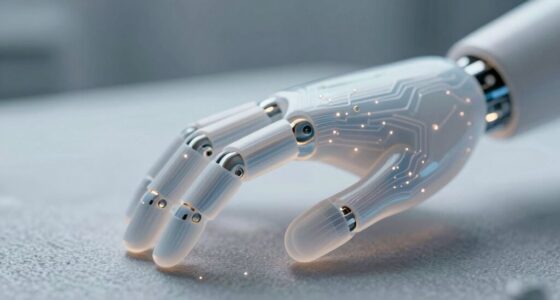

Nanotech is turning your body into a bionic system by improving treatments, drug delivery, and health monitoring. It enables targeted cancer therapies, making treatments more effective and reducing side effects. Innovative sensors and implantable devices track essential signs and deliver drugs precisely. Advances in regenerative medicine help heal tissues and accelerate recovery. If you keep exploring, you’ll discover how nanotech is shaping a more powerful, responsive, and enhanced human future.
Key Takeaways
- Nanotech enables targeted delivery of drugs and therapies, improving treatment efficacy and reducing side effects in humans.
- Implantable nanobiosensors monitor health metrics in real-time, providing personalized medical insights.
- Nanostructured scaffolds and nanomaterials support tissue regeneration and healing processes.
- Wearable nanodevices facilitate continuous health monitoring and automated therapeutic adjustments.
- Advances in nanotech raise safety and ethical considerations, addressing immune responses and long-term biocompatibility.

Smart Sensors for Healthcare and Medical Applications
As an affiliate, we earn on qualifying purchases.
As an affiliate, we earn on qualifying purchases.
Nanotech in Targeted Cancer Treatments
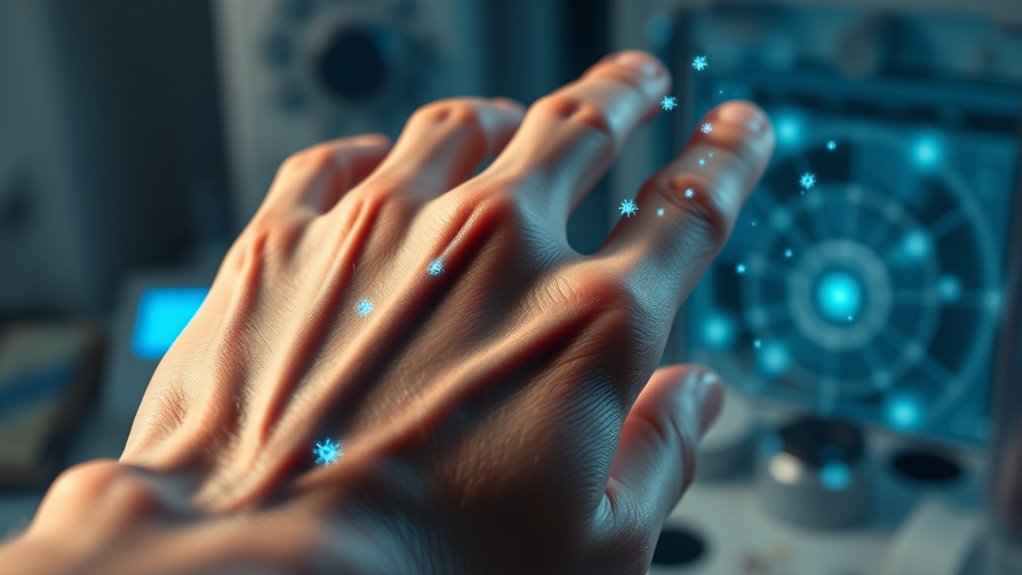
Nanotech has revolutionized targeted cancer treatments by enabling more precise delivery of therapeutics directly to tumor cells. Spherical nucleic acid (SNA) formulations increase cellular uptake, boosting effectiveness—up to 12.5 times in AML models. Redesigning drugs like 5-fluorouracil with nanotech can kill cancer cells 20,000 times more efficiently while avoiding side effects seen in animals. Nanocarrier platforms allow stimulus-responsive release, concentrating drugs inside tumor microenvironments for better results. Single-cell profiling lets you track nanoparticle distribution at the individual cell level, which can reduce doses considerably—detecting minimal amounts like 0.0005 mg/kg. Despite these advances, challenges like safety, manufacturing scale-up, and clinical validation still slow widespread adoption, but the potential for more effective, targeted cancer therapies remains promising.
As an affiliate, we earn on qualifying purchases.
Revolutionizing Drug Delivery and Bioavailability

Building on advances in targeted cancer therapies, nanotechnology is now transforming drug delivery and bioavailability. You can benefit from nanocarriers like lipid nanoparticles (LNPs) that deliver nucleic acids and small molecules more efficiently, reducing doses and improving tissue targeting. Non-invasive methods, such as nanoparticle-carrying jets and adhesive capsules, now achieve bioavailability comparable to injections—sometimes up to 90%. AI-driven design helps predict how nanoparticles distribute in your body, allowing for precise customization. Surface modifications like targeting ligands or PEGylation extend circulation time and enhance cellular uptake. Enhancing delivery efficiency, and addressing challenges such as off-target effects, immune responses, and manufacturing consistency are crucial for future developments. Advances in nanoparticle surface engineering are paving the way for safer and more effective treatments. These innovations promise more effective treatments with fewer side effects, marking a significant shift in how drugs interact with your body.
bionic tissue regeneration scaffolds
As an affiliate, we earn on qualifying purchases.
As an affiliate, we earn on qualifying purchases.
Advancements in Regenerative Medicine and Tissue Engineering
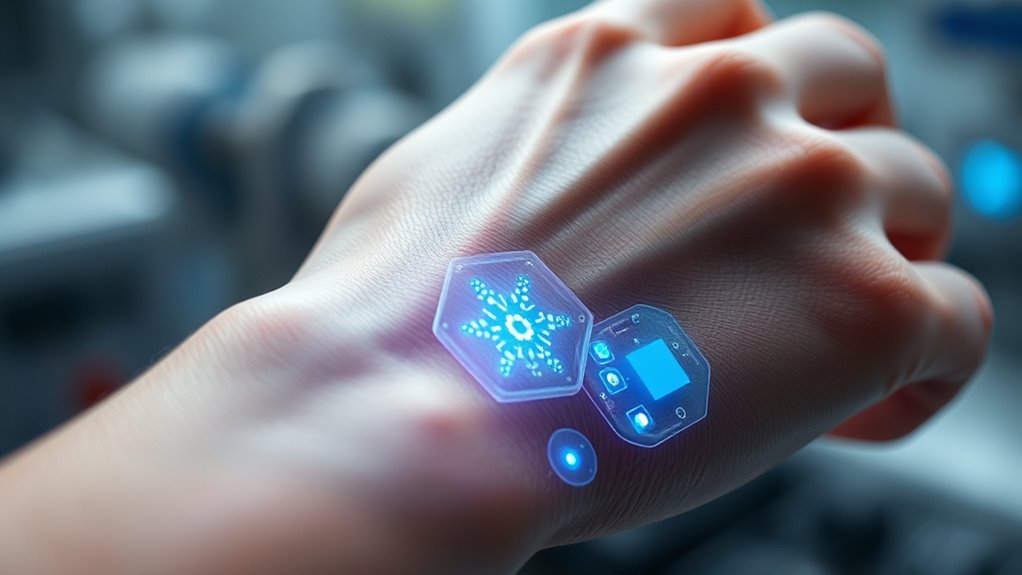
Advancements in regenerative medicine and tissue engineering leverage nanotechnology to create scaffolds and materials that closely mimic the body’s natural extracellular matrix. These nanostructured scaffolds promote cell adhesion, proliferation, and differentiation, supporting tissue regeneration for bone, cartilage, tendons, and skin. Injectable nanocomposite hydrogels and sprayable peptide nanofibers accelerate wound healing and enable local delivery of cells, growth factors, or drugs. Functionalized nanomaterials, like selenium or cerium oxide nanoparticles, show promise in treating osteoarthritis and guiding osteoblast differentiation in preclinical studies. Nanostructured implants and coatings improve integration with existing tissue and reduce infection risks. Understanding nanomaterials plays a crucial role in overcoming these hurdles and advancing clinical applications. Additionally, ongoing research into biocompatibility is essential to ensure these innovative materials can be safely used in diverse patient populations. Developing targeted delivery systems that precisely transport therapeutic agents at the nanoscale level further enhances the potential for personalized regenerative treatments.

FITVII Screenless Fitness Tracker for Women Men, Health and Fitness Wearable with 24/7 Heart Rate, Blood Pressure and HRV Sleep Monitor, Subscription Free Activity Tracker for Android & iPhone
- Slim, Comfortable Design: Ultra-slim, screenless wristband for comfort
- Continuous Wellness Monitoring: Tracks heart rate, blood pressure, HRV, sleep, steps, calories, and distance
- No Subscription Needed: All features included without monthly fees or hidden costs
As an affiliate, we earn on qualifying purchases.
As an affiliate, we earn on qualifying purchases.
Implantable and Wearable Biosensors for Health Monitoring
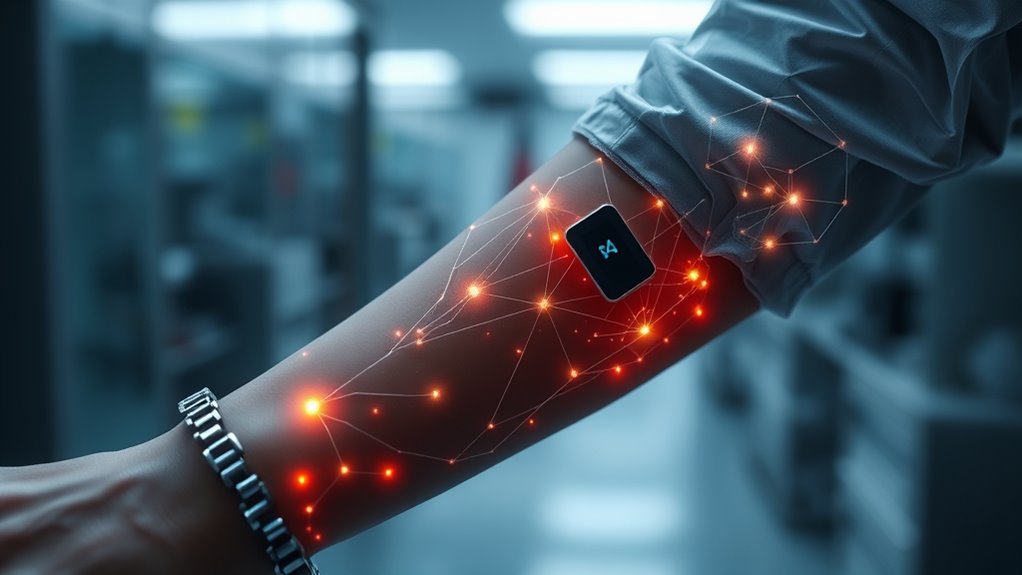
Improvements in nanostructured materials have paved the way for implantable and wearable biosensors that offer real-time health monitoring. These sensors use nanomaterials like nanowires and core-shell nanoparticles to detect biomarkers at extremely low concentrations, enabling early diagnosis and continuous tracking. You can now wear flexible devices or have implantable sensors that wirelessly transmit data on glucose, heart rate, or drug levels, providing high-resolution physiological insights. Integration with AI enhances data analysis, offering personalized alerts or automated therapeutic adjustments. Additionally, advancements in smart home integration are allowing these biosensors to seamlessly connect with other connected devices for a more comprehensive health management system. Innovations in sensor durability are improving the longevity and reliability of implantable devices. Furthermore, ongoing research into biocompatible coatings aims to reduce immune responses and improve long-term stability of these sensors. Researchers are also exploring ways to incorporate self-healing materials to extend the functional lifespan of implantable sensors. Recent developments in nanomaterial stability are helping to improve long-term performance and minimize degradation over time. However, challenges remain, such as ensuring long-term stability, preventing biofouling, and securing regulatory approval. Despite these hurdles, advancements are making these biosensors increasingly reliable and accessible, transforming how you monitor and manage your health proactively.
Nanoparticles in Immunotherapy and Disease Prevention

Nanoparticles are transforming immunotherapy by improving antigen delivery and activating targeted immune responses. They can deliver vaccines more effectively and reduce side effects by focusing on specific cells. However, ensuring safety and minimizing immunotoxicity remain critical challenges as this technology advances. Additionally, ongoing research aims to optimize nanoparticle design to enhance efficacy while reducing potential adverse effects.
Enhanced Antigen Delivery
Nanoparticles have revolutionized immunotherapy and disease prevention by enhancing how antigens are delivered to the immune system. They protect fragile antigens, increasing stability and ensuring efficient transport to target cells. These tiny carriers improve vaccine efficacy by promoting better uptake by antigen-presenting cells, such as dendritic cells, which triggers stronger immune responses. Their surface can be functionalized with targeting ligands, directing vaccines precisely where needed. Nanoparticles also enable controlled release of antigens, prolonging immune stimulation and reducing the number of doses required. This precision delivery minimizes side effects while maximizing immune activation. Overall, nanoparticle-based antigen delivery systems make vaccines more effective, safer, and adaptable, paving the way for advanced disease prevention and immunotherapy strategies.
Targeted Immune Activation
Building on advances in antigen delivery, targeted immune activation leverages nanoparticle platforms to direct immune responses precisely where they’re needed. You can use nanocarriers to deliver antigens and adjuvants directly to specific immune cells, such as antigen-presenting cells, enhancing response efficiency. This targeted approach reduces required doses and minimizes side effects often seen with broad immunostimulation. Nanoparticles can be engineered to optimize uptake, presentation, and activation, boosting both humoral and cellular immunity. In vaccine development, this precision helps create stronger, longer-lasting protection against infectious diseases and cancer. By focusing immune activation, nanotech minimizes off-target effects and improves therapeutic outcomes, making immune modulation safer and more effective—bringing us closer to personalized, highly efficient immunotherapies. Additionally, the integration of nanotech into the Gold IRA markets demonstrates how innovative technologies are transforming diverse industries, from healthcare to finance. Nanoparticle engineering plays a crucial role in ensuring these systems are both effective and safe for clinical use, especially as regulatory frameworks evolve to keep pace with rapid technological advancements. Furthermore, ongoing research into targeted delivery systems promises to enhance the specificity and efficacy of these nanotechnologies even further. For example, advances in electric bike technology, such as improved motors and batteries, highlight the rapid progress in applying nanotech for performance enhancements.
Safety and Immunotoxicity
While nanoparticles offer promising advancements in immunotherapy and disease prevention, their safety and potential immunotoxic effects remain significant concerns. You need to understand that nanoparticles can trigger unintended immune responses, such as excessive cytokine production or inflammation, which may cause tissue damage or systemic toxicity. Off-target effects, immune activation, or suppression could compromise health and reduce treatment efficacy. Additionally, long-term biocompatibility and clearance from the body are still uncertain, raising questions about accumulation and chronic toxicity. Variability in nanoparticle design and manufacturing complicates safety assessments, and standardized testing protocols are lacking. Moreover, the lack of comprehensive regulatory frameworks hampers the consistent evaluation of nanotech safety. As you explore nanotech-based therapies, it’s vital to balance innovation with rigorous safety evaluations to prevent adverse immune reactions and guarantee long-term health benefits. Ongoing research into nanoparticle biocompatibility is essential to fully understand and mitigate potential risks. safety assessments are crucial for ensuring that nanotechnology applications are both effective and safe for widespread use.
Ethical and Societal Impacts of Human Enhancement

As nanotechnology advances human capabilities, it raises complex ethical and societal questions about fairness, access, and long-term safety. You might wonder who gets to benefit from these enhancements and whether they’ll widen existing inequalities. If only the wealthy can afford cognitive or physical boosts, society risks deepening divisions. Long-term safety concerns also loom; unanticipated effects could emerge decades later, and you may face dilemmas about informed consent for implantable devices. Regulatory frameworks struggle to keep pace, creating uncertainty around standards and oversight. Additionally, privacy issues arise from wearable sensors and implantable biosensors collecting sensitive data. You need to contemplate how to balance innovation with ethical responsibility, ensuring that human enhancement technologies serve society equitably without compromising safety or individual rights.
Frequently Asked Questions
How Close Are Nanotech Therapies to Widespread Clinical Use?
Nanotech therapies are still in the early stages of widespread clinical use. You’ll find many promising preclinical results, but safety, scalability, and regulatory hurdles slow progress. While some nanocarrier-based drug delivery systems and biosensors are close to clinical adoption, others like regenerative scaffolds and implantable sensors need more validation. Expect gradual integration over the next decade as safety protocols improve and manufacturing processes become more standardized.
What Are the Long-Term Safety Concerns of Nanomaterials in Humans?
You might think nanomaterials are perfectly safe since they’re tiny, but the long-term safety concerns are formidable. You could face issues like unintended immune responses, bioaccumulation, or unforeseen toxicity years down the line. Imagine your body slowly turning into a science experiment, with nanomaterials behaving unpredictably. Despite promising early results, we still lack exhaustive data on their cumulative effects, making their long-term safety a real gamble.
Can Nanotech Solutions Be Personalized for Individual Genetic Profiles?
Yes, nanotech solutions can be personalized based on your genetic profile. You can benefit from targeted drug delivery systems that adapt to your unique DNA, improving treatment efficacy and reducing side effects. Advanced nanocarriers, like lipid nanoparticles, can be designed with specific targeting ligands aligned with your genetic markers. AI-driven design helps optimize these nanomedicines for your individual needs, making personalized nanotherapy a promising frontier in medicine.
How Will Nanotech Affect Healthcare Costs and Accessibility Globally?
Nanotech will likely lower healthcare costs over time by enabling more targeted, efficient treatments and reducing side effects, which means fewer hospital stays and less medication. It can improve access globally through non-invasive delivery methods and scalable manufacturing, especially in underserved areas. However, initial investments and regulatory hurdles may raise costs temporarily. Overall, if managed well, nanotech can make healthcare more affordable and accessible worldwide, especially with advances in personalized medicine.
What Regulations Are in Place to Ensure Nanotech Safety and Efficacy?
Regulations for nanotech safety and efficacy are still evolving, but they focus on thorough safety testing, clinical validation, and manufacturing standards. Agencies like the FDA and EMA require preclinical data, risk assessments, and standardized protocols before approval. You should stay informed about evolving policies, as regulatory frameworks are lagging behind technological advances. Ensuring transparency, ethical considerations, and public engagement is crucial for responsible development and safe implementation of nanotechnologies.
Conclusion
As you marvel at the incredible ways nanotech boosts your body, remember it’s also raising questions about what it truly means to be human. While these innovations promise health and longevity, they blur the line between natural and artificial — a paradox that’s hard to ignore. So, as you embrace this bionic future, ask yourself: are you enhancing your life, or just becoming a product of your own technological marvels? The real question might be, at what cost?