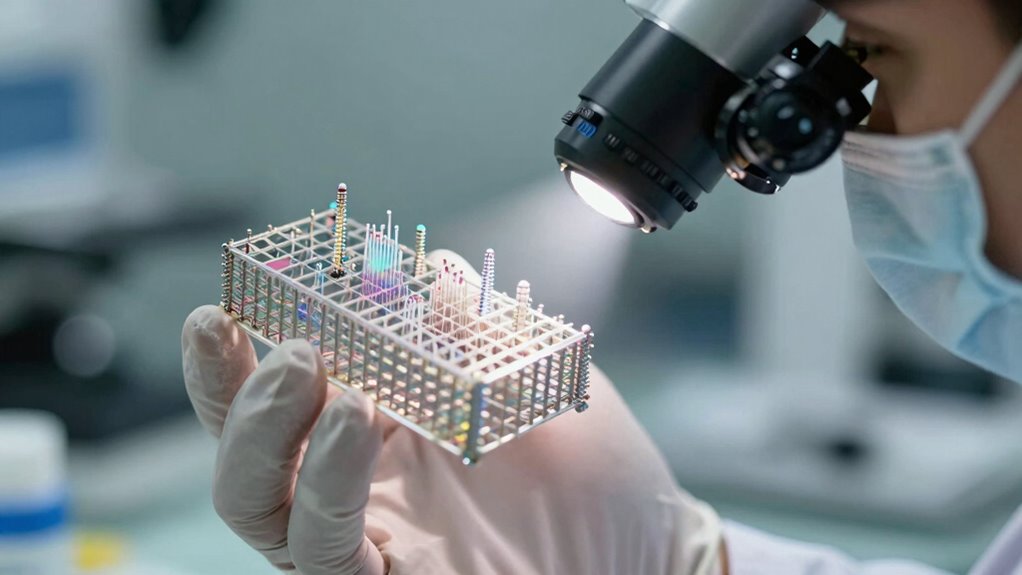

You need clear explanations about nanotechnology because misunderstandings and fears often stem from complex or vague information. When information is accessible and straightforward, you can better grasp its benefits and risks, helping build trust and support. Miscommunication can lead to misconceptions, fueling fear or rejection. If explanations are transparent and relatable, you’ll feel more confident and informed about the technology’s potential and safety. Keep exploring to discover how better communication can shape responsible innovation.

Get the latest gadgets delivered free with Prime
- Fast, free delivery on millions of items
- Prime Video, Amazon Music and more included
- Member-only deals all year
Key Takeaways
- Clear explanations prevent misunderstandings and misconceptions about nanotechnology’s risks and benefits.
- Simplified communication builds public trust and supports informed decision-making.
- Addressing ethical concerns transparently reduces fear and promotes acceptance.
- Better public understanding helps prevent misinformation driven by media and sci-fi fears.
- Effective communication bridges gaps among scientists, policymakers, and the public for responsible innovation.
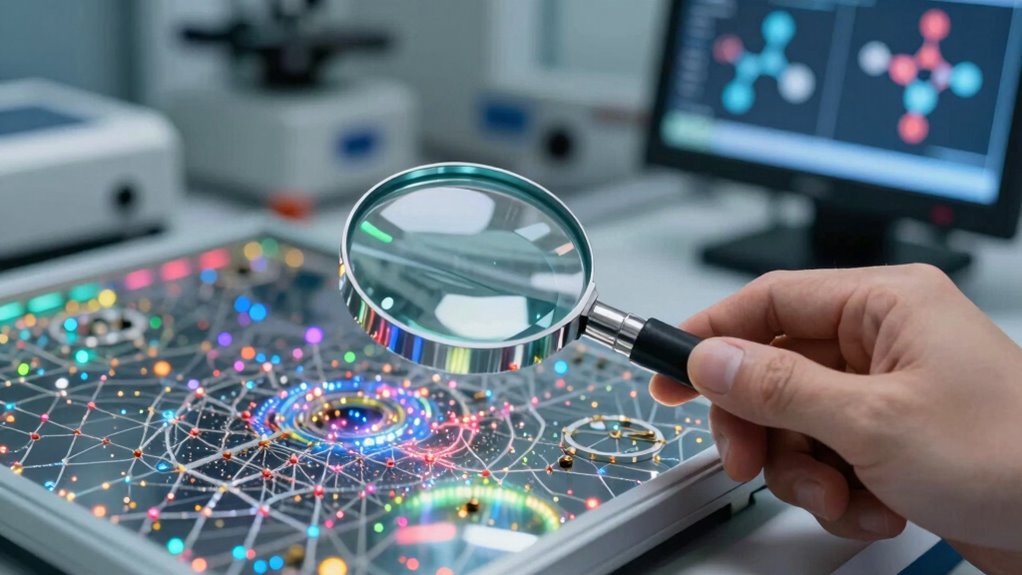
Nanotechnology is a field that manipulates matter on an incredibly small scale—typically between 1 and 100 nanometers. This tiny domain holds vast potential for breakthroughs in medicine, electronics, and environmental science. However, the way this technology is communicated to the public often falls short, leading to misunderstandings and misconceptions. If you want the public to support and trust nanotechnology, you need to provide clearer, more accessible explanations. When people don’t understand what nanotech is or how it works, they’re more likely to fear it or dismiss it altogether.
One major reason better public-facing explanations matter is the ethical implications involved. Nanotechnology raises questions about safety, privacy, and environmental impact. If these issues aren’t explained plainly, the public might assume the worst or become resistant to innovation. You need to address these concerns head-on, showing how risks are managed and benefits are maximized. By making ethical considerations understandable, you help demystify the technology and foster trust. When people see that scientists and developers are thoughtful about potential harm, they’re more likely to view nanotech as a positive force rather than a threat.
Public perception is another critical factor. Without clear explanations, nanotechnology can become a source of fear or suspicion, fueled by sensational media stories or sci-fi fears. If you simply throw out complex jargon or technical details, you risk alienating your audience. Instead, you should focus on relatable language and real-world examples. Show how nanotech already impacts everyday life—like in sunscreen, clothing, or medical diagnostics—so people see its practical benefits. When the public perceives nanotechnology as beneficial and safe, they’re more inclined to support funding, regulation, and responsible use.
Furthermore, better explanations can help bridge gaps between scientists, policymakers, and the general public. When everyone understands the basics, discussions about regulation, funding, and ethical boundaries become more productive. You, as someone explaining nanotech, have the responsibility to communicate transparently, avoiding hype or fearmongering. Clear, honest explanations empower the public to participate in discussions about the future of nanotechnology. This way, you foster a well-informed community that can weigh the ethical implications thoughtfully and form a realistic perception of what nanotech can and cannot do.
Ultimately, nanotechnology needs better public-facing explanations to build understanding, trust, and support. By addressing ethical concerns transparently and communicating in relatable terms, you help ensure that nanotech’s incredible potential is viewed with optimism rather than fear. A key factor in achieving this is improving public understanding of nanomaterials, which can dispel myths and promote informed dialogue. Additionally, increasing awareness about the specific applications of nanotechnology can help demystify the technology and show its tangible benefits to society. Incorporating insights from outreach and education efforts can further enhance public comprehension and foster responsible innovation. Recognizing the importance of science communication can also help bridge the gap between technical experts and the general public, leading to more informed opinions and decisions.
nanotechnology educational kits for kids
As an affiliate, we earn on qualifying purchases.
As an affiliate, we earn on qualifying purchases.
Frequently Asked Questions
How Does Nanotechnology Impact Everyday Consumer Products?
Nanotech applications enhance everyday consumer products by making them more durable, lightweight, and resistant to stains or bacteria. You benefit from cleaner, longer-lasting items like clothing, electronics, and packaging. Nanotechnology also improves product performance, such as better sunscreen or stronger materials. By understanding these consumer benefits, you see how nanotech impacts daily life, making products more efficient and convenient, ultimately enriching your overall experience with the items you use every day.
What Are the Potential Health Risks of Nanomaterials?
Like Pandora’s box, nanomaterials pose potential health risks you should consider. Their tiny size allows them to penetrate the body, raising concerns about health implications like cellular damage or toxicity. Risk assessment becomes essential to understand these dangers, but public awareness lags behind. You need clear, accessible information to make informed decisions about nanotechnology’s safety and guarantee that benefits don’t come with hidden health costs.
How Is Nanotechnology Regulated Worldwide?
You should know that nanotechnology is regulated worldwide through a mix of international standards and national policies. Agencies like the EPA and EMA set guidelines, but regulatory challenges persist due to the technology’s complexity and potential risks. Many countries are still developing frameworks, which can lead to inconsistent safety measures. This patchwork of regulations underscores the need for clearer, more unified international standards to guarantee responsible development and public safety.
Can Nanotechnology Help Solve Environmental Issues?
Nanotechnology can be a shining beacon for solving environmental issues, acting like a toolbox with innovative solutions. You play a key role in boosting public awareness, which helps foster responsible use. Ethical considerations are essential to guarantee these advancements benefit everyone without harm. When managed wisely, nanotech can clean pollutants, improve energy efficiency, and protect ecosystems, making a real difference in creating a healthier planet for future generations.
What Careers Are Available in Nanotechnology Fields?
You can pursue a variety of nanotech careers, including research scientist, materials engineer, and nanofabrication specialist. To enter these fields, you’ll need strong nanotech education, often involving advanced degrees in physics, chemistry, or engineering. These careers allow you to innovate in medicine, electronics, and energy. Staying updated with emerging nanotech developments and gaining hands-on experience will help you succeed and make meaningful contributions.
easy-to-understand nanotech explanation books
As an affiliate, we earn on qualifying purchases.
As an affiliate, we earn on qualifying purchases.
Conclusion
You need clear, accessible explanations of nanotechnology to build trust and understanding. When the public grasps both the potential and risks, they can engage meaningfully in discussions and decision-making. While some skeptics argue nanotech’s risks outweigh benefits, ongoing research shows careful regulation can mitigate dangers. By fostering transparency and curiosity, you’ll help guarantee nanotechnology’s benefits are realized responsibly, making it easier for everyone to see that science’s complexity doesn’t have to be intimidating or obscure.
nanotechnology demonstration models
As an affiliate, we earn on qualifying purchases.
As an affiliate, we earn on qualifying purchases.
public awareness nanotech pamphlets
As an affiliate, we earn on qualifying purchases.
As an affiliate, we earn on qualifying purchases.
Halloween Picks
halloween
As an affiliate, we earn on qualifying purchases.