
TL;DR

Get the latest gadgets delivered free with Prime
- Fast, free delivery on millions of items
- Prime Video, Amazon Music and more included
- Member-only deals all year
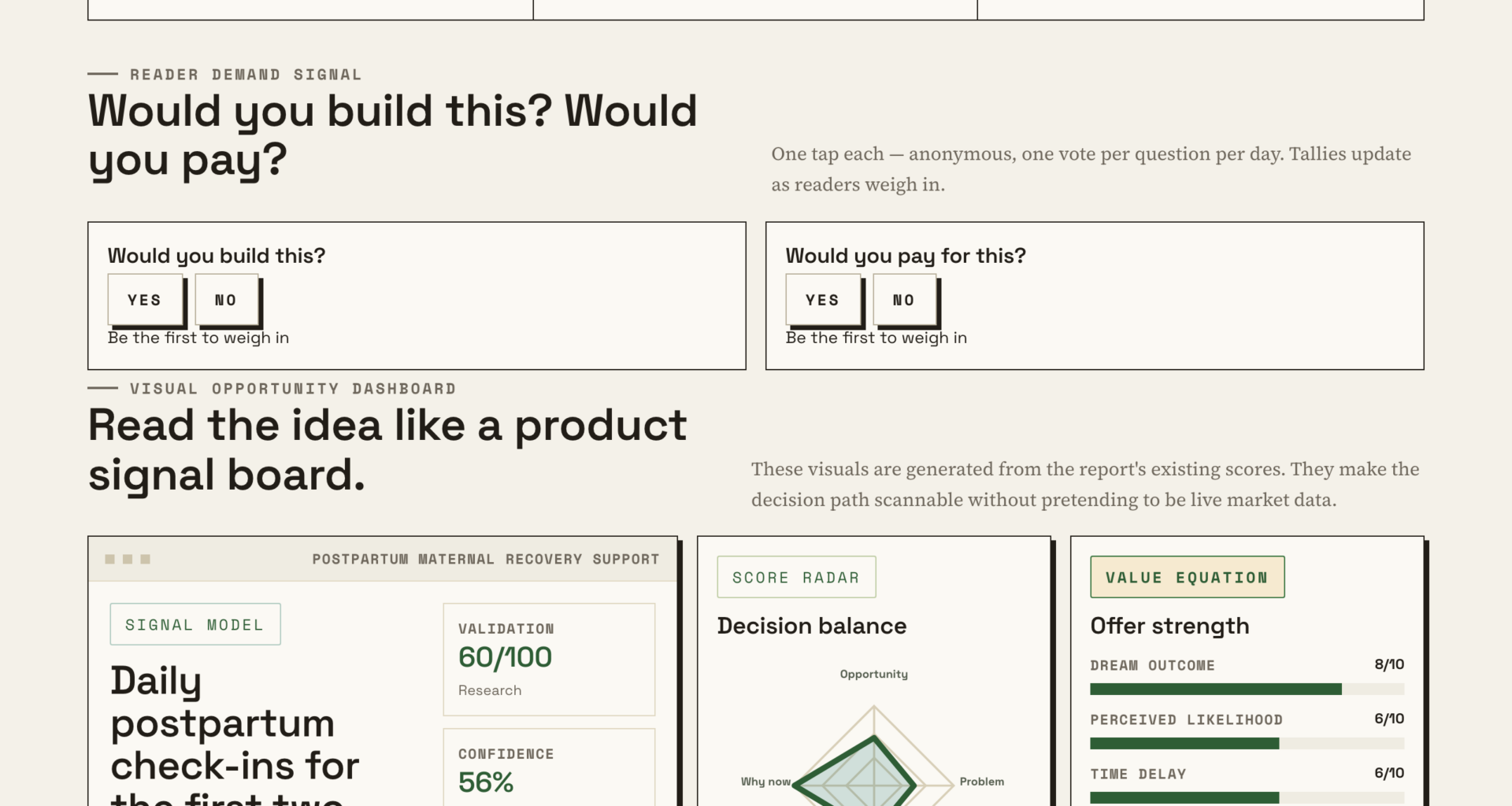
A new pilot program is testing daily postpartum check-ins for first-time mothers after hospital discharge. This approach aims to improve recovery support during the high-risk first two weeks and reduce complications.
Researchers are testing a new approach that involves daily postpartum check-ins for first-time mothers during their first two weeks at home. This initiative aims to address gaps in postpartum care, which traditionally relies on a single 6-week follow-up, leaving new mothers without ongoing support during the most critical recovery period.
The pilot program targets mothers discharged from the hospital before their 6-week postpartum visit. It involves an onboarding process that creates a personalized recovery profile based on delivery details, feeding method, and mental health baseline. Then, it delivers daily check-ins via smartphone, providing tailored recovery tips and prompting mothers to contact healthcare providers if certain symptoms are flagged.
According to the developers, the goal is to identify early warning signs of complications such as infections, bleeding, or mental health issues, and to foster more timely interventions. The program is designed to be a low-cost, scalable solution that can complement existing postpartum care models.
Initial validation involves recruiting 15 first-time mothers within 48 hours of hospital discharge and measuring engagement, symptom reporting, and subsequent healthcare contact during the two-week period. The approach is intended to serve as a first step toward broader implementation if successful.
Potential Impact on Postpartum Care
This initiative could significantly improve postpartum recovery outcomes by providing continuous, personalized support during a period when mothers are most vulnerable. It addresses the longstanding gap in postpartum care, which often leaves new mothers without guidance until their 6-week check-up. By enabling early detection of warning signs, the program may reduce emergency visits, hospital readmissions, and mental health crises, ultimately enhancing maternal health and safety.
As an affiliate, we earn on qualifying purchases.
Addressing the Postpartum Care Gap
Current postpartum care in many healthcare systems relies heavily on a single follow-up appointment at six weeks after delivery. However, research and maternal health campaigns have highlighted that the first two weeks postpartum are critical, with many complications arising during this window. During this period, new mothers often receive only a generic pamphlet, leaving them unsure of which symptoms require urgent attention.
Recent efforts to improve maternal health emphasize the importance of closer monitoring, especially as smartphone technology enables scalable, remote support solutions. This pilot builds on these trends by testing daily, tailored check-ins designed specifically for first-time mothers discharged early from hospital care.
“Providing daily, targeted check-ins can help mothers distinguish between normal recovery symptoms and warning signs, potentially reducing complications.”
— an anonymous researcher
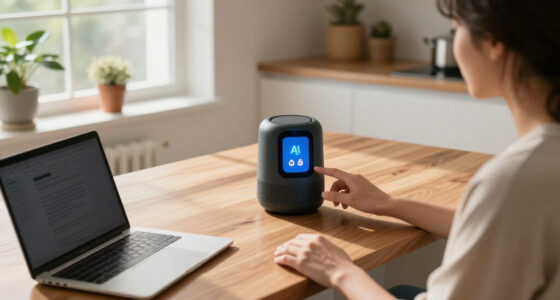
mother and baby health monitoring device
As an affiliate, we earn on qualifying purchases.
As an affiliate, we earn on qualifying purchases.
Unanswered Questions About Implementation
It is not yet clear how effective the daily check-ins will be in prompting appropriate care-seeking behavior among mothers. The pilot’s small sample size limits the ability to generalize findings, and long-term impacts on maternal health outcomes remain to be seen. Additionally, questions remain about the cost-effectiveness and scalability of the approach in diverse healthcare settings.
As an affiliate, we earn on qualifying purchases.
Next Steps for Broader Adoption and Validation
Following the initial pilot, researchers plan to analyze engagement data, symptom reporting accuracy, and healthcare utilization. If results are promising, larger studies will be conducted to validate the approach’s effectiveness. There is also potential for integrating this model into OB practice workflows and exploring sponsorship from health payers or providers to support wider implementation.
As an affiliate, we earn on qualifying purchases.
Key Questions
How are the daily check-ins delivered to mothers?
The check-ins are delivered via smartphone through a dedicated app or messaging platform, tailored to each mother’s recovery profile.
What symptoms will prompt mothers to contact their healthcare provider?
Symptoms such as heavy bleeding, fever, severe pain, signs of infection, or mental health concerns like feelings of depression or anxiety will trigger prompts to seek medical advice.
Is this approach suitable for all new mothers?
The current pilot focuses on first-time mothers discharged early from hospital; further research is needed to determine its suitability for broader populations, including mothers with high-risk pregnancies.
Could this replace in-person postpartum visits?
No, the program is designed to complement, not replace, scheduled in-person visits, providing additional support during the critical early weeks.
How will the program be funded if scaled up?
Potential funding sources include subscriptions paid by mothers, sponsorship from OB practices, or health payer support aiming to improve maternal outcomes and reduce costly complications.
Source: IdeaNavigator AI
Halloween Picks
halloween
As an affiliate, we earn on qualifying purchases.