
Nano surface engineering boosts your product’s lifespan by making surfaces more durable and resistant to scratches, corrosion, and environmental damage. Techniques like nanocoatings and atomic layer deposition create protective barriers that prevent wear and tear, often without adding weight. Self-healing properties and nanostructured surfaces help surfaces adapt and recover from damage. By choosing nanoscale solutions, you get longer-lasting, eco-friendly products. Keep exploring how this innovative technology can extend your product’s durability even further.
Listen free for 30 days with Audible
Thousands of audiobooks and originals — cancel anytime.
As an affiliate, we earn on qualifying purchases.
Key Takeaways
- Nanomaterials create durable, scratch- and corrosion-resistant surfaces, extending product lifespan.
- Surface modifications at the nanoscale enhance resistance to environmental damage and chemical degradation.
- Advanced nanocoatings enable self-healing and adaptive features, reducing maintenance and repair needs.
- Nanostructured surfaces prevent dust, moisture, and bacterial buildup, improving longevity in various applications.
- Thinner, eco-friendly nanocoatings maintain product performance while minimizing weight and ecological impact.
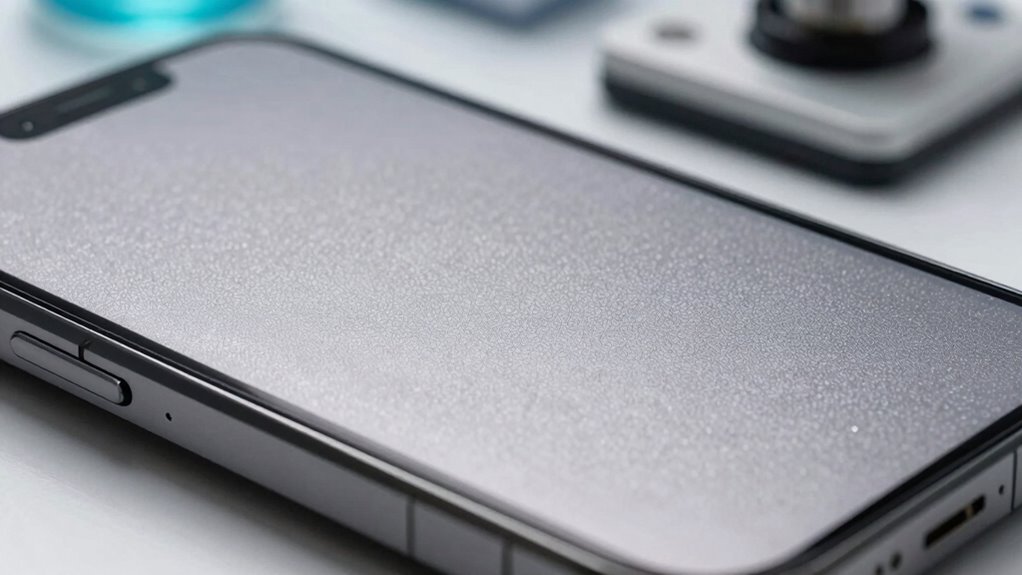
Advancements in nano surface engineering are transforming how products withstand wear and tear, ultimately extending their lifespan. By leveraging nanomaterial durability, manufacturers can create surfaces that resist scratches, corrosion, and other forms of degradation more effectively than traditional materials. This technology allows you to enhance the longevity of various products, from electronics to automotive parts, by applying surface modification techniques at the nanoscale. These techniques involve altering the surface properties of materials without changing their core structure, resulting in surfaces that are tougher, more resistant, and better suited for demanding environments.
When you utilize nanomaterial durability, you’re tapping into materials engineered at the atomic level to provide superior strength and resilience. For example, nanocoatings can considerably improve a product’s resistance to corrosion and chemical damage, reducing the need for frequent repairs or replacements. Surface modification techniques, such as atomic layer deposition or nanoparticle coatings, enable you to tailor surface characteristics precisely, whether you want to increase hardness, reduce friction, or impart hydrophobic properties. These modifications create a protective barrier that shields the underlying material from external stressors, ensuring it remains functional over a longer period. Additionally, the nano-scale features of these coatings can influence how surfaces interact with their environment, further enhancing durability. Incorporating surface engineering techniques can also optimize the surface energy and adhesion properties, leading to improved overall performance. Understanding the role of surface properties in product longevity allows for more targeted and effective enhancements in material design. Recent innovations in nanomaterial synthesis are enabling the development of even more advanced coatings that can adapt to changing environmental conditions, further extending product lifespan. Furthermore, ongoing research into self-healing nanocoatings shows promise in repairing surface damage automatically, which could significantly prolong product usability.
You’ll find that nano surface engineering doesn’t just improve a product’s durability; it also enhances its overall performance. For instance, applying nanostructured coatings to electronic devices can prevent dust accumulation and moisture intrusion, which are common causes of failure. Similarly, nanostructured surfaces in medical implants reduce bacterial adhesion, lowering infection risks and extending the implant’s effective lifespan. The key is that these surface modifications are often thin, lightweight, and environmentally friendly, making them suitable for a wide range of applications without substantially adding to the product’s weight or cost.
As an affiliate, we earn on qualifying purchases.
Frequently Asked Questions
How Cost-Effective Is Nano Surface Engineering for Mass Production?
Nano surface engineering can be quite cost-effective for mass production, especially when you consider long-term savings. With a thorough cost analysis, you’ll find that initial investment costs decrease as production scalability improves. As you scale up, the process becomes more efficient, reducing per-unit expenses. This makes nano surface engineering a viable option for large-scale manufacturing, providing enhanced product durability without substantially increasing your overall costs.
Are There Environmental Concerns With Nano Surface Treatments?
Sure, nano surface treatments are as environmentally friendly as they are tiny, right? While they offer incredible durability, you might worry about environmental impact and regulatory challenges. These treatments can introduce nanomaterials into ecosystems, raising concerns about toxicity and waste management. Managing strict regulations can slow adoption, making you wonder if the benefits outweigh the potential ecological risks. So, yes, environmental concerns are real, and they demand careful oversight.
What Industries Benefit Most From Nano Surface Engineering?
You’ll find the most benefits of nano surface engineering in industries where surface durability and material compatibility are critical. Aerospace, electronics, and medical device sectors gain from enhanced resistance to wear, corrosion, and biofouling. By optimizing surface properties at the nanoscale, you improve product lifespan, reduce maintenance, and guarantee better performance, making these industries prime candidates for adopting nano surface treatments to meet demanding operational standards.
How Long Does Nano Coating Typically Last Before Reapplication?
Nano coatings can last a lifetime if you’re lucky, but typically, their durability insights suggest reapplication every 2 to 5 years. This depends on usage, environmental conditions, and coating quality. Heavy wear or exposure to harsh elements can shorten the lifespan, requiring more frequent reapplication. To maximize protection, stay vigilant and follow manufacturer recommendations, ensuring your product benefits from the full potential of nano surface engineering.
Can Nano Surface Engineering Be Applied to Existing Products Easily?
Yes, you can apply nano surface engineering to existing products easily. The key is understanding surface durability and choosing suitable application methods, like sprays, dips, or coatings, that suit your product’s material. With proper preparation, such as cleaning and surface treatment, the nano coating adheres well, enhancing durability. This straightforward process improves lifespan without the need for extensive modifications, making it accessible for many products.
As an affiliate, we earn on qualifying purchases.
Conclusion
By harnessing nano surface engineering, you unveil the secret to drastically extending your product’s lifespan—making it virtually immortal against wear and tear. This revolutionary technology isn’t just an upgrade; it’s a game-changer that can turn ordinary items into legendary, long-lasting marvels. So, don’t settle for fleeting durability—embrace nano surface engineering and watch your products defy time itself, lasting longer than you ever dreamed possible. The future of durable products is now, and it’s more incredible than you imagined.
nanostructured surface protection
As an affiliate, we earn on qualifying purchases.
As an affiliate, we earn on qualifying purchases.
atomic layer deposition coatings
As an affiliate, we earn on qualifying purchases.
As an affiliate, we earn on qualifying purchases.
Flea & tick season Picks
flea and tick prevention
As an affiliate, we earn on qualifying purchases.