Meta description: “Many believe nanoscale sensors could revolutionize early disease detection, but their full potential and challenges remain to be explored.
Browsing Category
medical-bio
73 posts
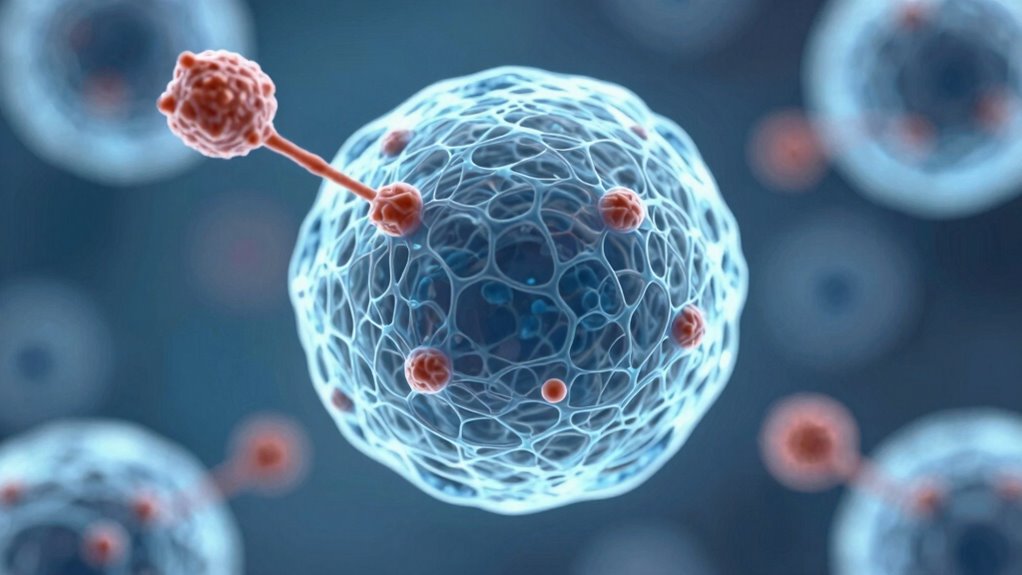
Why Nanoparticle Delivery Depends on More Than Size Alone
Ineffective delivery often stems from size alone, but surface chemistry truly determines how nanoparticles interact within biological systems, revealing the full story.
What Makes Nano Materials Promising for Antimicrobial Coatings
Nanomaterials are promising for antimicrobial coatings because their tiny size increases reactivity…
What Makes Biosensor Miniaturization So Important
Gaining insights into biosensor miniaturization reveals its crucial role in advancing health monitoring, but the full impact is only just beginning.
The Hidden Role of Nano Materials in Tissue Engineering
Nanomaterials play a essential yet often hidden role in tissue engineering by…
Why Nanomaterials Could Improve Future Medical Wearables
Nanomaterials could improve your future medical wearables by making them more durable,…
How Nano Drug Carriers Are Designed for Better Targeting
What makes nano drug carriers more effective for targeting, and how do their design strategies ensure precise delivery?
Why Nano-Engineered Hydrogels Keep Gaining Attention
Unlock the potential of nano-engineered hydrogels as their precise, responsive features are revolutionizing medicine and promising new breakthroughs in treatment.
How Molecular Recognition Powers Advanced Nano Sensors
When molecular recognition enables nano sensors to detect targets with precision, the possibilities for innovation are truly limitless—discover how this mechanism is transforming sensor technology.
How Nano-Enabled Diagnostics Could Reduce Time to Detection
Probing how nano-enabled diagnostics accelerate detection times reveals transformative impacts on healthcare, but the full potential is just beginning to unfold.